CO₂ as the raw material of the future
How Europe can become a game changer with carbon dioxide removal – and why
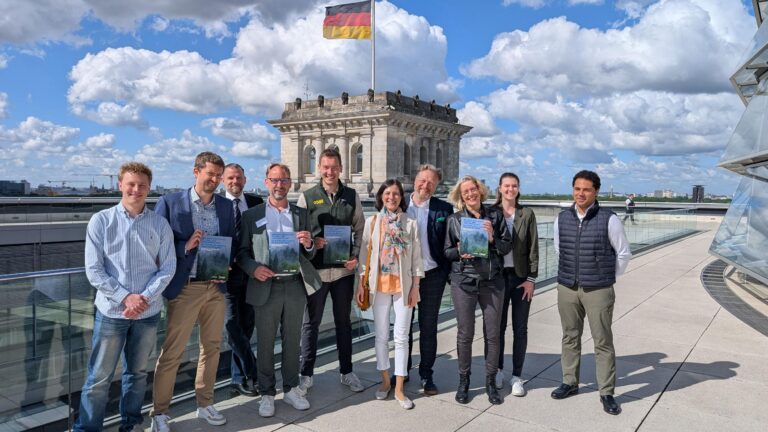
An analysis with a clear stance – and a clear goal: Germany as the technology leader in the global climate market. From vision to reality: tgo AG, a member of the German Association for Negative Emissions (DVNE), is actively shaping the future of CDR.
A new industry is emerging – and Europe is at the wheel
It is happening quietly, almost in the background. While many debates revolve around CO₂ avoidance, emissions trading and the energy transition, an industry is emerging in parallel that has what it takes to change the game completely: carbon dioxide removal (CDR) – in other words, the active removal of CO₂ from the atmosphere.
What was long regarded as science fiction is hard reality today – and tomorrow a market worth billions. A recent report by Boston Consulting Group (BCG) and the German Association for Negative Emissions (DVNE) puts concrete figures on the table for the first time:
- Global CDR potential: up to €940 billion per year
- CDR potential in Europe: €110–220 billion per year by 2050
- CDR in Germany: €70 billion in revenue, up to 190,000 new jobs
This is more than an ecological necessity. It is an industrial revolution.
Germany has what it takes to become a CDR superpower
Germany has ambitious targets: net-zero emissions by 2045. To achieve this target – and to go further and become net-negative – avoidance alone is no longer enough. We have to remove CO₂. And on an industrial scale.
“CDR is the sleeping giant of climate protection,” says Stefan Schlosser, Managing Director of DVNE. And he is right. While CO₂ avoidance is approaching the limits of efficiency, CDR offers the urgently needed volume to stabilise global warming at 1.5 to 2 degrees – as required by the Paris Agreement.
According to BCG, around 9 gigatonnes of CO₂ removal per year will be needed by 2050 to achieve the climate targets. We are still a long way from that – but on the right path if we set the course now.
The technologies: from the forest to the molecular machine
The methods of CO₂ removal are diverse. Broadly speaking, they fall into three categories:
Nature-based solutions
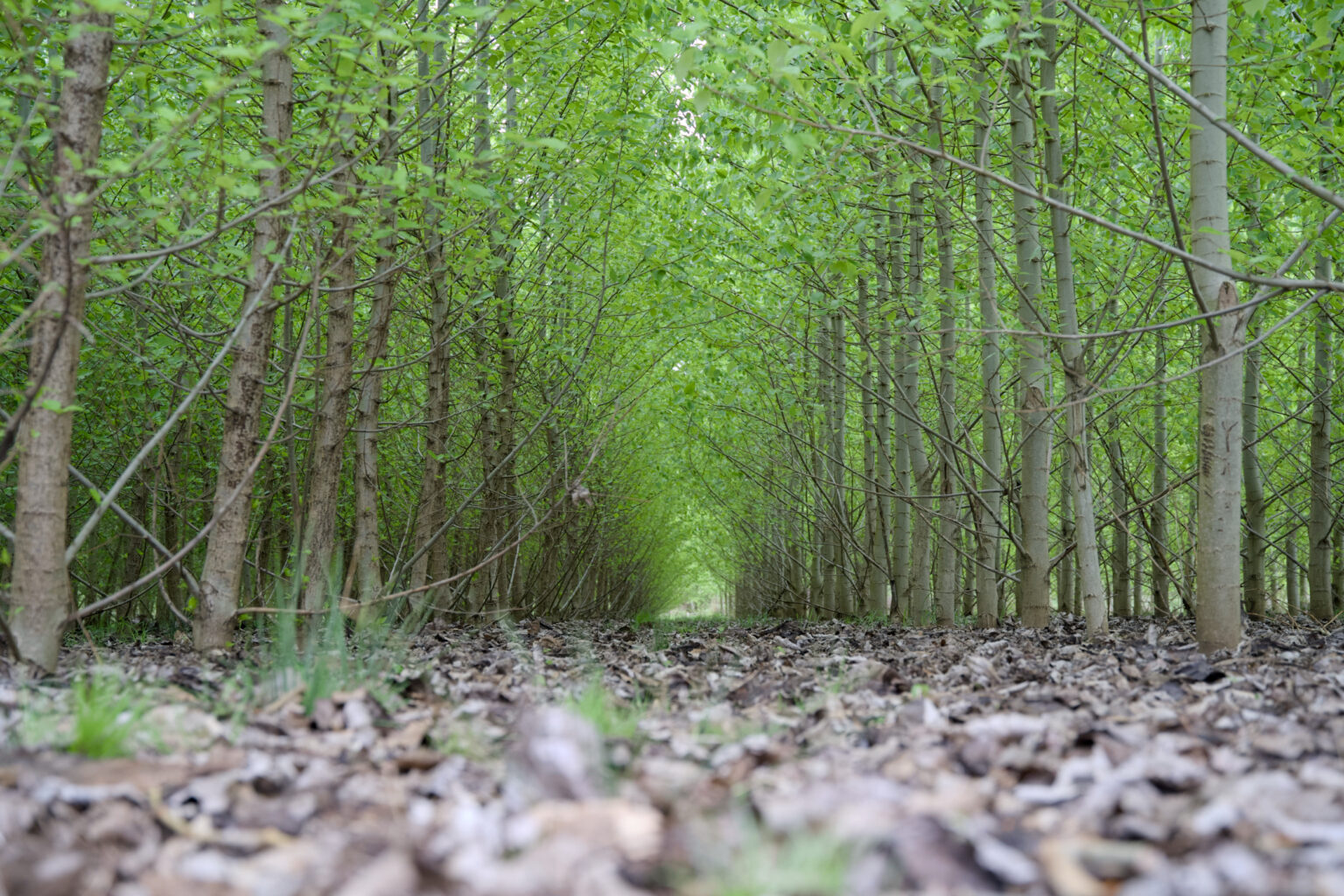
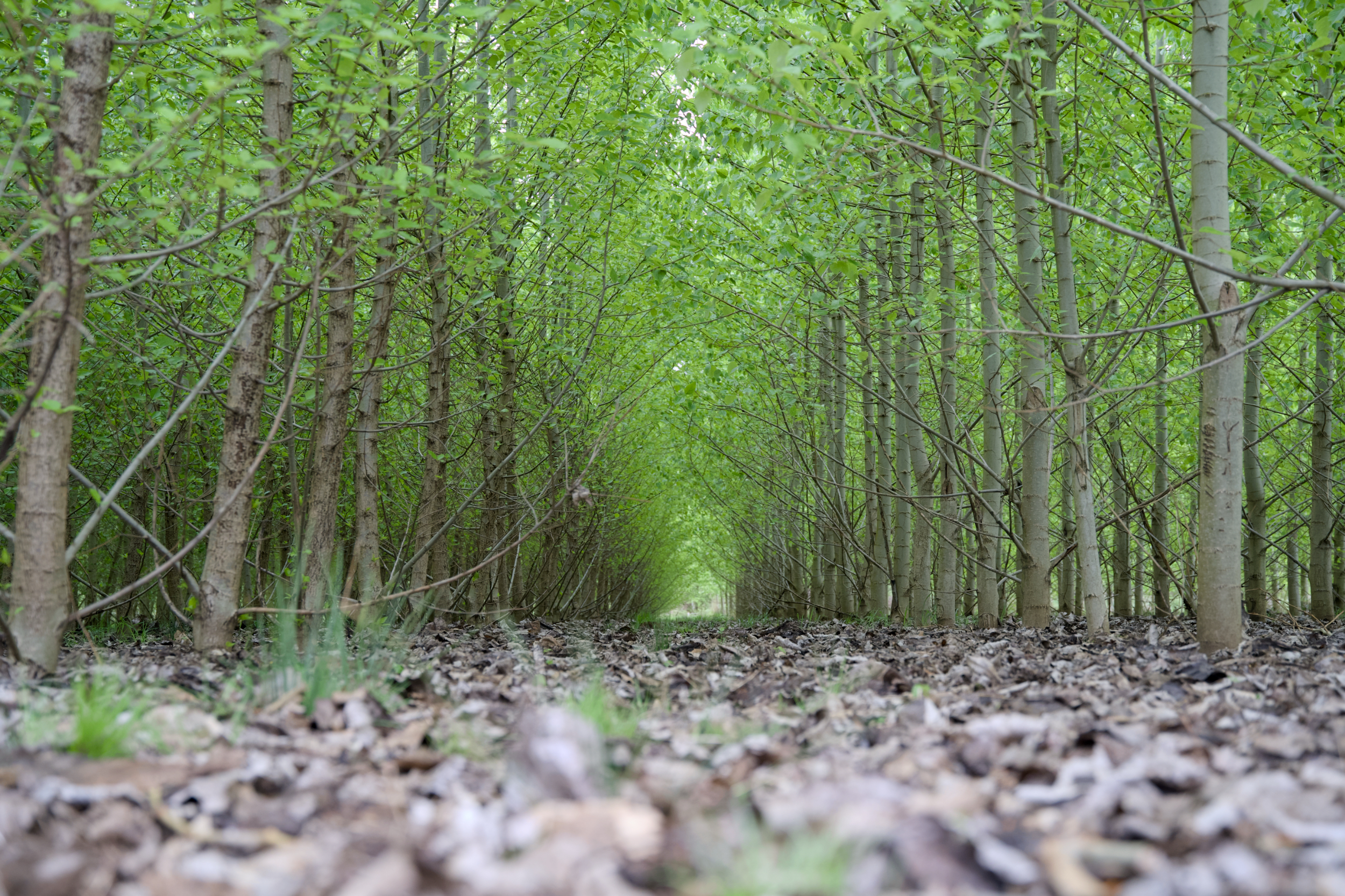
- Afforestation
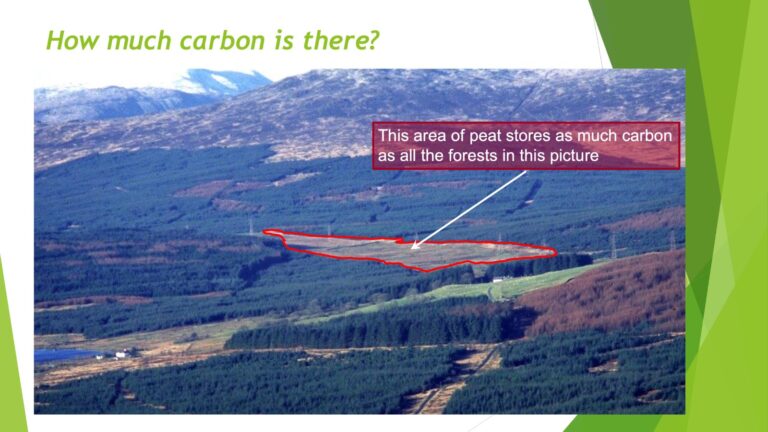
- Rewetting of peatlands
- Restoration of ecosystems
These approaches are cost-effective, but often difficult to quantify and not always permanent.
Technological processes
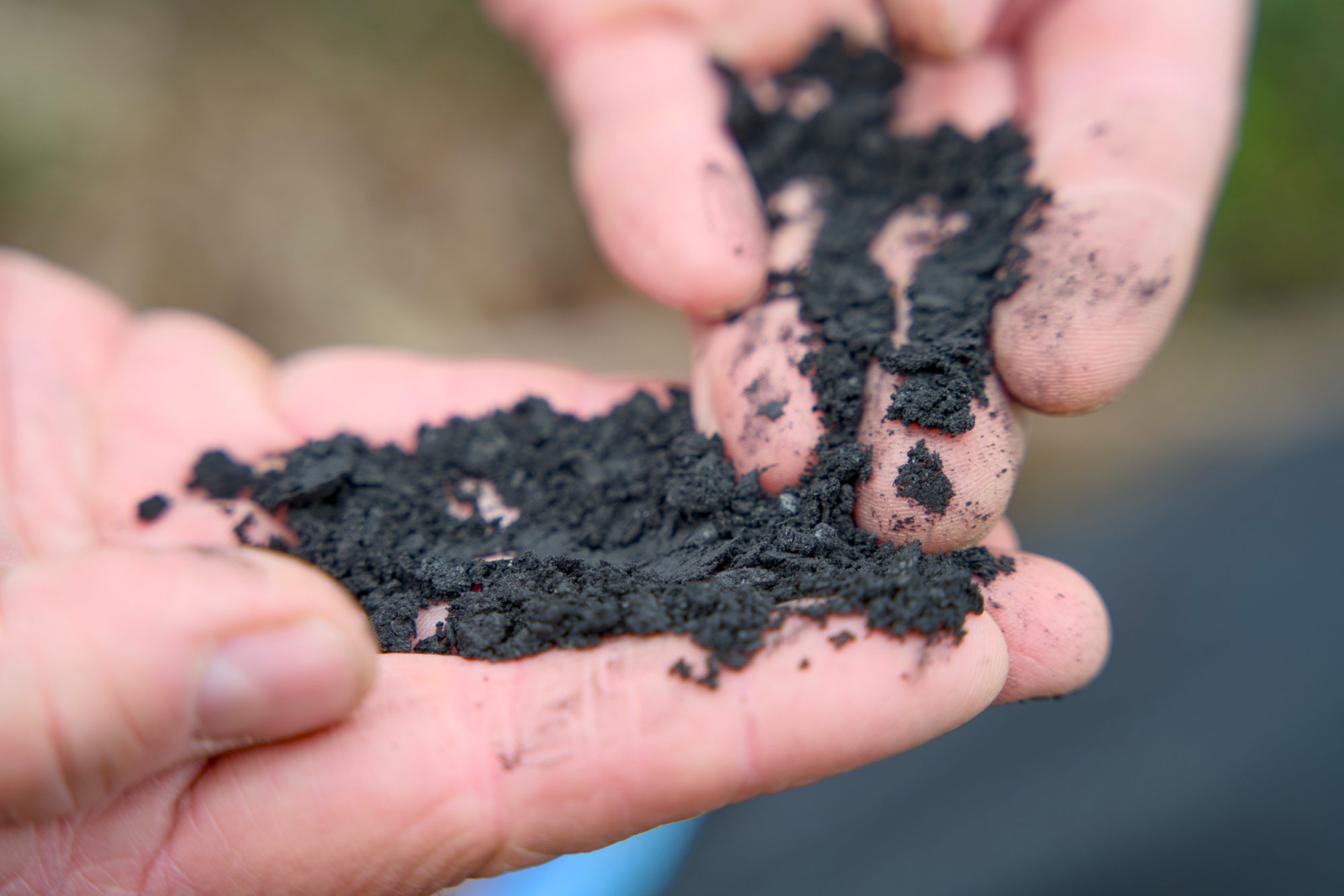
- Direct Air Carbon Capture and Storage (DACCS): CO₂ is filtered from the air and stored.
- Biochar: biochar that locks in CO₂ for centuries.
- Mineralisation: CO₂ is chemically bound to rock (e.g. using olivine).
This is where the great potential for innovation lies – and the economic potential too.
Accelerated natural processes
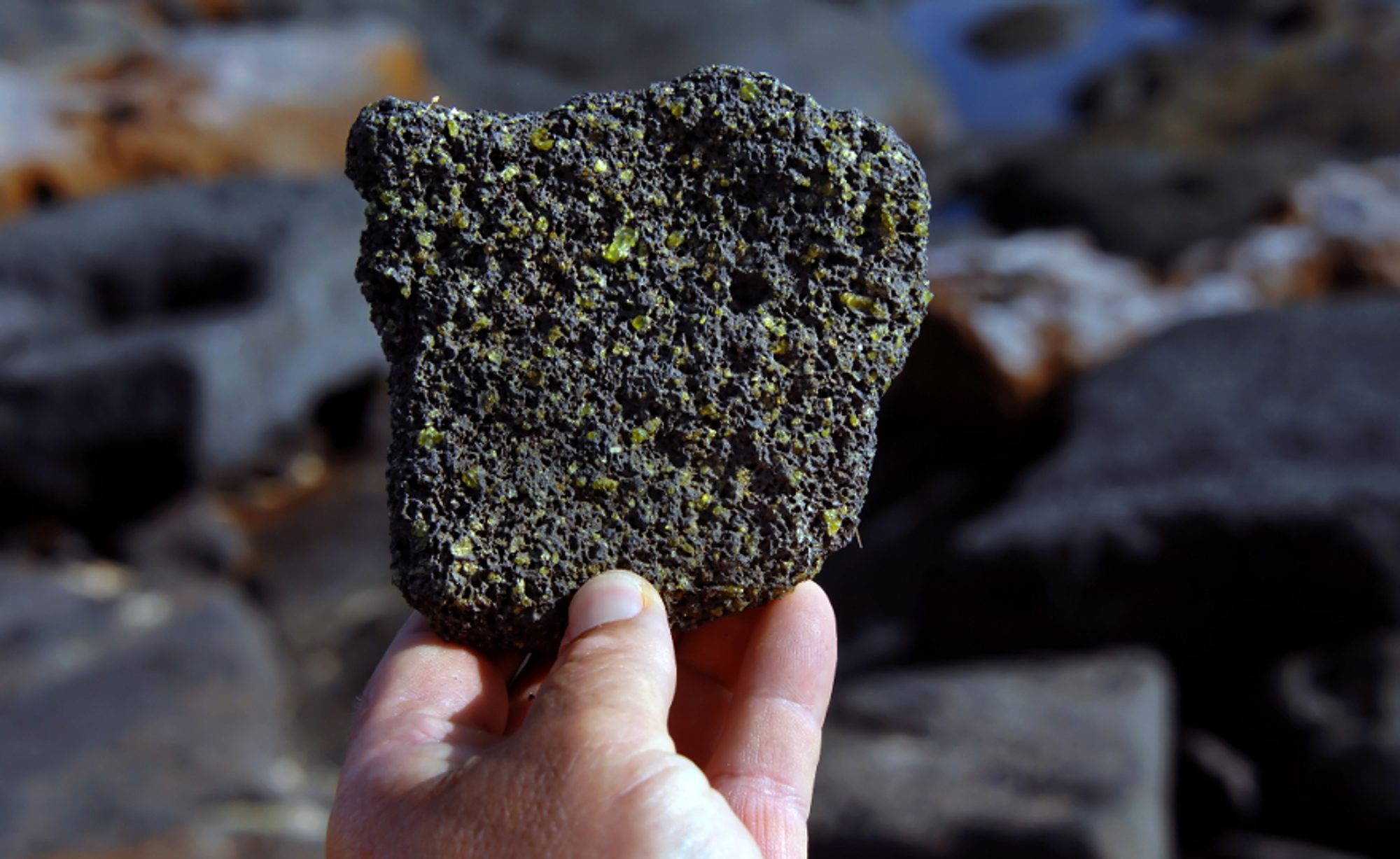
- Enhanced weathering: rock weathering to bind CO₂
- Ocean-based methods: e.g. algae cultivation with a sequestration effect
The economic factor: CO₂ as a driver of value creation
Climate protection was long considered expensive. CDR shows that it does not have to be. “Climate protection and economic growth are not contradictory; they go hand in hand,” says Johanna Pütz, BCG partner and co-author of the study.
If 190,000 jobs could be created in Germany alone, this is more than a vision. It is an investment in the future viability of our country as a business location. For comparison: the wind energy industry currently employs around 160,000 people. CDR is the next big thing – perhaps even bigger.
The role of tgo AG: helping to shape a new era
As a member of DVNE, tgo AG is actively helping to shape this new industrial ecosystem. Our self-image: we do not just want to react, we want to shape. We see CDR not as a mandatory exercise but as an entrepreneurial opportunity to combine purpose and innovation.
Our goals:
- Developing and scaling innovative CO₂ removal technologies
- Working with start-ups, academia and policymakers
- Investing in future-proof infrastructure and markets
- Strengthening the public debate on CDR
We are convinced: those who act now will shape the markets of tomorrow.
Challenges? Yes. But also clear solutions.
Despite the euphoria, CDR is still in its early days. The biggest hurdles are:
- Regulatory uncertainty: there are no clear statutory targets for CO₂ removal.
- Costs: many technologies are still more expensive than emissions avoidance – this will change.
- Technological maturity: permanence, measurability and efficiency need to be improved.
- Financing: many projects fail due to a lack of financing in the scaling phase.
BCG and DVNE propose a 15-point plan – including:
- Funding programmes
- Investment incentives
- Transparency standards
- Carbon credit markets
- Infrastructure projects for CO₂ transport and storage
Why we must act now
We are at a historic crossroads. The decisions of the next five years will determine the markets of the next fifty. Germany has the know-how, the engineering strength and the political ambition to take the lead in CDR – if we really want to.
“We don’t just have to do it – we should also want to.”
– Stefan Schlosser, DVNE
Our conclusion at tgo AG:
CDR is not a technology of the future. It is the precondition for a future.
At tgo AG, we are committed to a world in which climate protection is economically viable, socially just and technologically excellent. CO₂ removal is one key to this – and we look forward to taking this path together with DVNE, policymakers and our partners.
Let us usher in the age of negative emissions. Now.