White paper for a new generation of credible carbon credits
Carbon integrity at tgo AG: Executive Summary
tgo AG is redefining climate protection: scientifically sound, measurable, verifiable – and above all: with integrity. In a carbon credit market marked by uncertainty, lack of transparency and greenwashing, tgo AG’s Carbon Integrity concept creates a clear basis for trustworthy emission certificates that meet the requirements of companies, institutions and society.
This white paper documents the core principles, processes and structures through which tgo AG brings the highest credibility, ecological impact and economic relevance into line. It is a proposal to redefine quality in the carbon market – with the aim of establishing a future-proof standard for genuine carbon sinks.
1. Starting point & problems in the carbon credit market
1.1 The loss of trust in the Voluntary Carbon Market (VCM)
The idea of voluntary carbon offsetting is not new – but its implementation is becoming increasingly problematic. Numerous media reports, studies and revelations have shown that a large proportion of the carbon credits currently traded are based on unverifiable assumptions, uncertain forecasts or projects with dubious climate impact. The result: a massive loss of trust among companies, authorities and citizens.
The agricultural sector in Europe is huge (approx. 174 million hectares of agricultural land, 10.5 million holdings, €411 billion annual turnover) and the global agricultural technology market is growing rapidly (2025 forecast: USD 23.14 billion, CAGR 12.1%). These figures underline the immense potential for positive change through innovative approaches such as those of tgo AG.
1.2 Lack of standards & control mechanisms
Many projects rely on old standards (e.g. REDD+) that no longer stand up to current scientific and regulatory developments. At the same time, there is a lack of reliable MRV systems (Monitoring, Reporting, Verification) to guarantee CO₂ savings that can actually be proven. Government frameworks such as the forthcoming EU Carbon Removal Certification Framework (CRCF) are also still under development.
1.3 What the market needs now
- Reliable and permanent CO₂ storage that is transparently documented
- Independent verification instead of self-declaration and obscuring complexity
- Ethically sound projects that involve farmers and improve ecosystems
- Certificates with real impact that can be integrated into ESG/CSRD systems
This is where tgo AG’s integrity concept comes in.
2. Core principles of our integrity
tgo AG is committed to a new form of carbon credit trading. Every project we develop, every certificate, every contract is based on six immovable principles:
2.1.1 Additionality
Our projects lead to CO₂ savings or storage that would not have occurred without our involvement. No business-as-usual projects. No greenwashing. Every effect has a clear causal justification.
2.2.2 Permanence
The long-term nature of CO₂ sequestration is a cornerstone of our work. We secure it by selecting robust measures and processes that take into account the specific residence time of the carbon in the sink. These include:
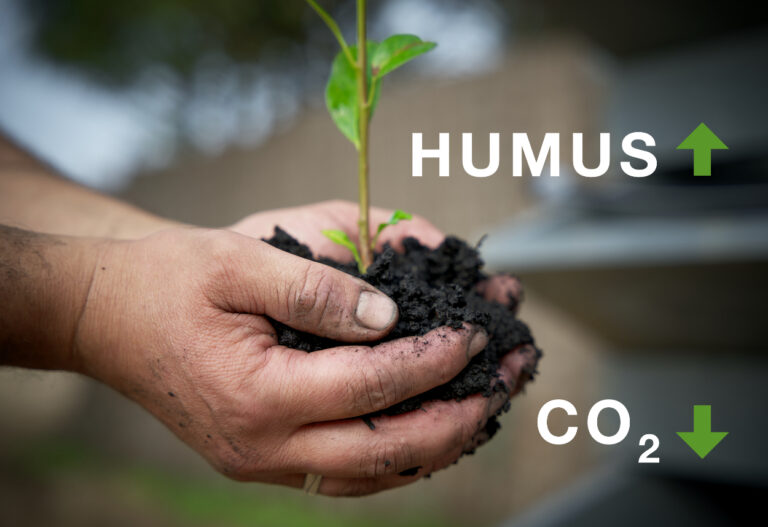
- Natural carbon sinks: such as humus build-up and agroforestry systems with aftercare obligations (10–30 years).
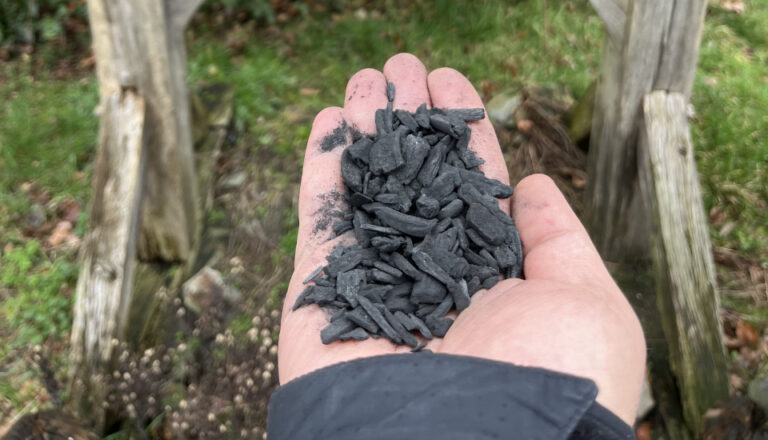
- Technical carbon sinks: in particular through biochar, where the BC LOCK procedure ensures the permanent storage of CO₂ over centuries.
- Enhanced Rock Weathering (ERW – enhanced carbonate weathering): enables storage over thousands of years.
- Carbon in construction timber or other long-lived products: sequestration over decades to centuries.
For each form of carbon removal, a specific duration and the associated carbon cycle are assessed transparently and supplemented by scientifically based deductions to hedge against risk.
2.3.3 Measurability & traceability (MRV)
All projects are soil-sampled (25–30 cm depth, 25 cores/ha), analysed for carbon fractions, pH, NPK and DNA, documented using ISO-compatible MRV procedures (ACS2030, LCA) and certified by independent third parties.
2.4.4 Avoidance of double counting
Our systems use blockchain integration, the AgriCoin™ platform for verifying soil analyses and digital tracking for unambiguous allocation of projects and certificates.
2.5.5 Participation & fairness
Farmers are not service providers but partners. We guarantee fair remuneration, training & advice and a share in the added value created by sustainable land management.
2.6.6 Added value for the environment & society
Every project should have an impact beyond its CO₂ benefit: promoting biodiversity, improving water retention, maintaining soil fertility and strengthening rural areas.
3. Our quality and certification system
tgo AG uses an advanced, soil-based MRV system to the highest standards. This includes RTK- and GPS-guided soil sampling, sampling in accordance with ACS2030, carbon fractionation, DNA analyses (using innerSoils™ technology) and independent third-party certification. All projects are documented on the basis of geodata, stored traceably and made auditable.
3.1 Scientifically sound MRV methodology
The basis of our MRV system, which is continuously developed further with research institutions:
- RTK- and GPS-guided soil sampling for precision
- Sampling in accordance with ACS2030 guidelines
- Sampling depth: at least 25–30 cm
- Sampling density: at least 25 cores per hectare
- Analysis parameters: total organic carbon (TOC), stable carbon fractions, pH value, nutrients (NPK, micronutrients)
- InnerSoils™: pure DNA analysis for microbial biodiversity
3.2 Fractionated carbon analysis
Separate analysis of labile, moderately stable and highly stable carbon. This enables a reliable estimate of long-term storage capacity and forms the basis for economic pricing in certificate trading. This is carried out in accordance with DIN 19539.
3.3 Certification by independent bodies
Cooperation with accredited laboratories and universities. Complete MRV documentation for each project (project manual, soil data, crop rotation data, humus development plan). Application of internationally recognised standards: ISO 14064-2, CRCF (EU), GHG Protocol.
3.4 Digital traceability (Carbon Ledger)
All certificates are provided with geodata, sampling data and verification data. Each unit receives a digital fingerprint, supported by the AgriCoin™ platform (www.agricoin.de) for soil analysis data management. This guarantees: no double counting, full auditability and publicly accessible metadata.
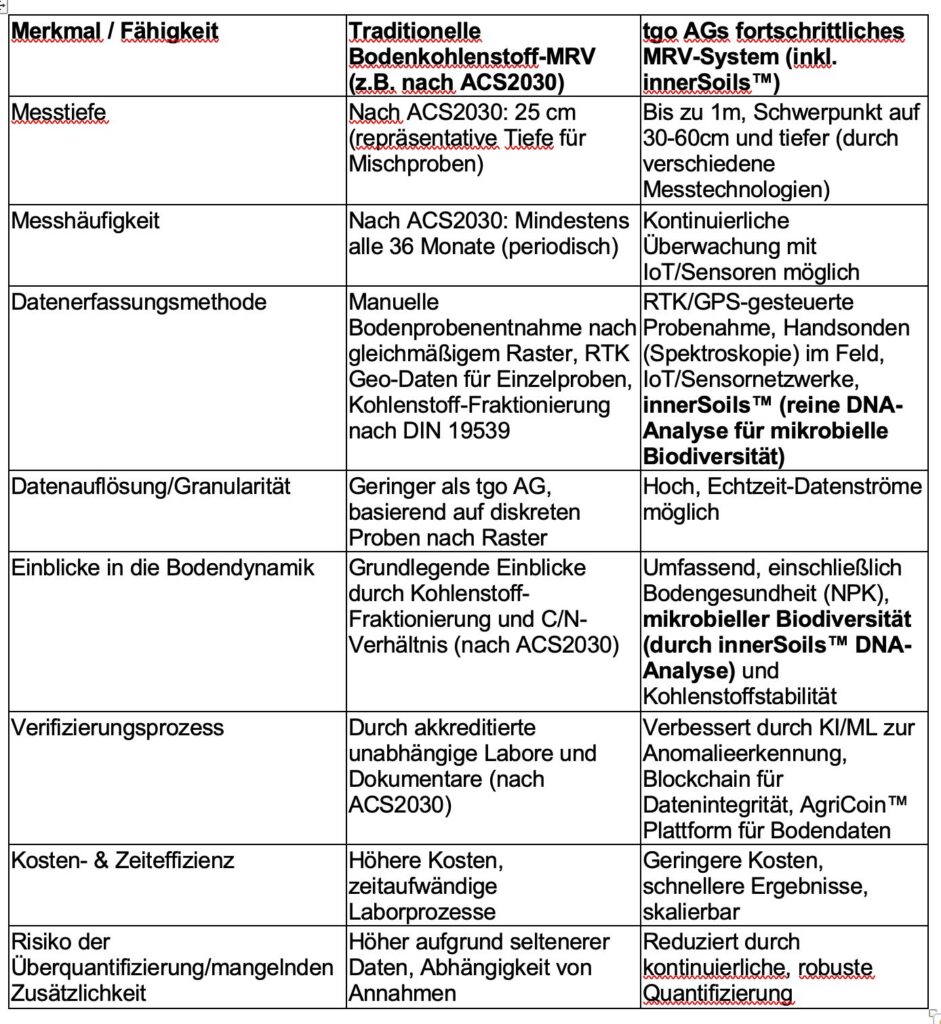
3.5 Comparison: traditional MRV vs. tgo AG’s advanced MRV system
tgo AG is revolutionising the measurement, reporting and verification (MRV) of soil carbon. The following table compares traditional approaches, often represented by standards such as ACS2030, with tgo AG’s more advanced capabilities.
4. Governance & ethics model
The credibility of a carbon credit stands or falls with the independence of its assessment. tgo AG separates project development, certificate issuance and trading both structurally and procedurally. A Carbon Integrity Board and an Ethics Council ensure transparency and accountability.
4.1 Internal structure for integrity
- Carbon Integrity Board: technical steering committee with external scientists and experts.
- Ethics Council: assesses social and ecological risks; oversees transparency and fairness.
- MRV audit team: internal quality assurance and verification of the data before first publication.
4.2 Strict selection criteria for projects
Not every project is accepted. tgo AG defines clear, publicly available criteria: minimum area, soil type (sand, silt, clay), farming system, humus potential, storage capacity, additional ecological services and commitment to a minimum term (avoidance of carbon leakage). Project areas may only be tied to one owner and must not be included in other CO2 projects. A documentation officer acting as a neutral body prevents conflicts of interest and ensures standard-compliant implementation and documentation.
4.3 Avoidance of conflicts of interest
- No linkage between sales interests and assessment responsibility.
- Transparent disclosure of all relevant partners and auditors.
- No certificate issuance where there is a share in project profits (separation of advice & auditing).
5. Stakeholder involvement & participation
Farmers are key players in climate protection and partners of tgo AG. The principle is “Enable, not exploit”.
5.1 Agriculture as an equal partner
- Training & training materials on humus management and carbon build-up
- Support with sampling, documentation and implementation
- A share in revenues from certificate sales
- Building long-term relationships of trust
5.2 Building a carbon farming partner network
- Regional networks of pilot farms
- Exchange platforms and field days
- Documented best practices
- Integration of research institutions and NGOs
5.3 Involvement of science and society
- Scientific Advisory Board with universities (e.g. soil science, agroecology)
- Public events (e.g. Earth Future Days)
- Educational partnerships with schools, chambers of agriculture and environmental associations
5.4 Conflict resolution and feedback mechanisms
- Setting up a contact point for complaints and suggestions for improvement
- Regular evaluation cycles and impact reports
- Participation in the further development of standards and policy dialogues (EU, UNFCCC, CRCF)
6. Communication & brand positioning
tgo AG stands for clear, fact-based communication without greenwashing. Companies receive ESG/CSRD-compatible evidence. Farmers are informed in an understandable and practical way.
6.1 Brand essence
“Carbon with Integrity. Soil-based, science-backed, society-powered.”
6.2 Our communication principles
- No promises without evidence
- Climate impact instead of PR
- Data openness (access to project documentation)
- Avoidance of greenwashing
6.3 Target-group-specific communication
- For companies: CSRD reporting integration, Scope 3 accounting, climate-effective supply chains, evidence for audits & ESG ratings.
- For farmers: understandable documents, training material, project updates, participation in exchange formats.
7. The role of tgo AG in the new carbon market
tgo AG is developing into the infrastructure for credible carbon removals. We are the link between agriculture, landowners and companies that want to become climate-neutral. As humus build-up experts, we connect science, practice and regulation.
7.1 From carbon credit seller to carbon infrastructure
tgo AG is not merely a provider of carbon credits; it is building the infrastructure for the credible carbon removal systems of the future:
- MRV infrastructure: soil sampling, laboratory networks, data platform.
- Verification & standardisation: our own assessment frameworks, coordination with auditing organisations.
- Platform technology: blockchain integration, use of the AgriCoin™ platform (www.agricoin.de) for soil analysis data, biodiversity score (using innerSoils™), LCA systems.
- Link to the financial market: tgo certificates as a sustainable asset class.
7.2 Integration into international standards
tgo AG develops its methodology in alignment with: EU Carbon Removal Certification Framework (CRCF), ICVCM Core Carbon Principles, VCMI Integrity Claims Framework, ISO 14064-2, ISO 14067 / ISO 14080, GHG Protocol Land Sector Guidance.
8. Outlook & roadmap
tgo AG has a clear vision and a roadmap for achieving its goals and decisively shaping the market for credible carbon credits.
8.1 Short term (2025–2026)
- Establishing our own Carbon Integrity Label (e.g. “tgo Verified Carbon Removal”)
- Certification of at least 1,000 hectares of climate-effective soil projects
- Integration of the MRV systems into digital platforms and the Carbon Ledger
- Participation in consultations on the EU standard (CRCF)
8.2 Medium term (2026–2028)
- Scaling to further European markets
- White-label services for partner organisations
- Use as a CO₂ building block in green bonds and ESG investments
- Integration of biodiversity metrics (innerSoils™ DNA monitoring)
8.3 Long term (from 2029)
- Co-developing a European reference standard for soil-based CO₂ removals
- Building a Europe-wide network of regenerative farms
- Integrating farmers into renewable energy and circular economy systems
- Strategic partnerships with public institutions
9. Appendix & references
9.1 Glossary
- Additionality: proof that CO₂ reductions would not have happened anyway.
- Permanence: securing the long-term sequestration of carbon across different forms of storage (humus, biochar, Enhanced Rock Weathering, construction timber, etc.) and their specific life cycles.
- MRV: Monitoring, Reporting & Verification.
- CRCF: the EU’s Carbon Removal Certification Framework.
- AgriCoin™: a platform (www.agricoin.de) that simplifies soil analyses, provides results for farmers and supports the verification of soil data. Not a cryptocurrency.
- ACS2030: guideline for soil measurement & carbon analysis.
- BC LOCK Procedure: a comprehensive, data-driven procedure for precise carbon accounting of biochar using a cradle-to-gate analysis of every process step.
- Enhanced Rock Weathering (ERW): a method of permanently sequestering CO₂ through the accelerated weathering of certain rocks (carbonate weathering), enabling storage over thousands of years.
- innerSoils™: a method used by tgo AG for pure DNA analysis to record microbial biodiversity in the soil, as part of the advanced MRV system.
9.2 Key standards & scientific foundations
- ISO 14064-2, EU CRCF, ICVCM Core Carbon Principles, VCMI Integrity Claims Framework.
- IPCC reports, GHG Protocol, current research in soil carbon science, ASTM D7708 (for random reflectance analysis of biochar), DIN 51732 (for elemental analysis of biochar), DIN 19539 (for carbon fractionation in soil).