Carbon insetting versus carbon offsetting
How farmers, food companies and local authorities can contribute to climate protection
Author: Bernhard Aumann
Climate protection is a shared responsibility today. Whether you run a farm, a food corporation or a municipality – everyone faces the challenge of cutting their CO₂ emissions and contributing to the climate targets. In this context, terms such as carbon offsetting and carbon insetting are becoming increasingly important. But what exactly do they mean, how do they differ, and how can tgo AG support you? In this blog post we explain the concepts of offsetting vs. insetting comprehensively and in plain language, give practical examples and show how emitters, sink holders (e.g. farmers) and providers of carbon removal solutions can actively drive climate protection forward together.
We first look at the definition of the two approaches and the relevant CO₂ emission categories (scopes) before turning to their specific relevance for agriculture, the food sector and local authorities. We also shed light on current regulatory developments (such as the new EU regulation on carbon removals, the CSRD and carbon pricing), successful practical examples – from Stena Line, Nestlé and Klim, for instance – as well as possible points of criticism and risks. Finally, we explain strategically why avoiding and reducing emissions, as well as insetting, should take priority over offsetting (“Avoid – Reduce – Inset – Offset”) and how tgo AG, as an expert in sustainable supply chains, carbon farming and climate strategies, can
support you in putting this into practice.
What do carbon offsetting and insetting mean?
Carbon offsetting (CO₂ compensation) means balancing out your own greenhouse gas emissions by investing in external climate protection projects. A company or a local authority, for example, compensates for its own emissions by financing a project elsewhere that saves emissions or sequesters CO₂ – such as afforestation in another country or investment in renewable energy outside its own value chain. The key point: with conventional offsetting, the emission reductions take place outside your own operations or supply chain.
Carbon insetting, by contrast, focuses on climate protection within your own value chain. According to the International Platform for Insetting (IPI), insetting projects are “interventions along a company’s value chain that are designed to reduce greenhouse gas emissions and store carbon while at the same time creating positive impacts for communities, landscapes and ecosystems” (proba.earth). Put simply: instead of financing external projects, with insetting companies start with themselves and their partners. Measures are implemented within their own supply chain or operating environment in order to cut emissions directly at source (climateseed.com). Carbon insetting therefore means integrating climate protection projects into your own sphere – for example with suppliers, farmers or at your own facilities – instead of merely buying certificates from third-party projects. In addition to reducing CO₂, this often creates further positive effects in the value chain – such as better soils, greater biodiversity or socio-economic benefits for local partners.
In short: with offsetting, emissions are compensated for through projects outside your own organisation (external CO₂ compensation). With insetting, emissions are reduced or sequestered within your own supply and value chain. Companies therefore invest directly in internal improvements – e.g. sustainable farming at their suppliers – rather than in external compensation projects. This distinction is significant, because insetting leads to more genuine and more comprehensive emission reductions in the core business.
CO₂ emission categories: Scope 1, 2 and 3
To put the impact of insetting into context, it is worth looking at the three categories of greenhouse gas emissions defined by the Greenhouse Gas Protocol: Scope 1, Scope 2 and Scope 3. These scopes help to define where emissions arise – directly in your own operations or indirectly in upstream or downstream processes.
CO₂ emission categories (scopes):
- Scope 1: Direct emissions from sources owned by the company or organisation. These include, for example, emissions from burning fuel in company vehicles, machinery or boilers, as well as process emissions in industry.
- Scope 2: Indirect emissions from the generation of energy used by the organisation. The classic example is emissions from producing purchased electricity, steam, heat or cooling that is consumed in your own operations (even though the emissions arise not on site but at the power station).
- Scope 3: All other indirect emissions along the value chain (upstream and downstream). These often account for the largest share and include emissions at suppliers (production of purchased raw materials and intermediate products, agriculture), logistics (transport of goods), business travel, use and disposal of sold products by customers and much more. They are therefore also referred to as value chain emissions.
A company can usually control Scope 1 and 2 emissions relatively directly – for instance through efficiency measures or by switching to green electricity. Scope 3 emissions, on the other hand, lie in the supply chain and in the use of products, and are often harder to measure and reduce. In many sectors (especially food/agriculture), Scope 3 emissions make up the lion’s share (sometimes 75 % or more) of the carbon footprint. This is where carbon insetting comes in: insetting specifically targets these indirect emissions by initiating climate protection projects directly in the supply chain. In this way, companies can make a structural contribution to reducing large parts of their Scope 3 emissions.
An example: a food manufacturer has high CO₂ emissions from its agricultural suppliers (Scope 3 upstream). With insetting projects – such as promoting regenerative agriculture among its contract farmers – it can cut these emissions at the root instead of merely compensating for them by buying external certificates. Insetting integrates climate protection into your own business processes, which can lead to sustainable innovation and more resilient supply chains.
Relevance of carbon insetting for farms
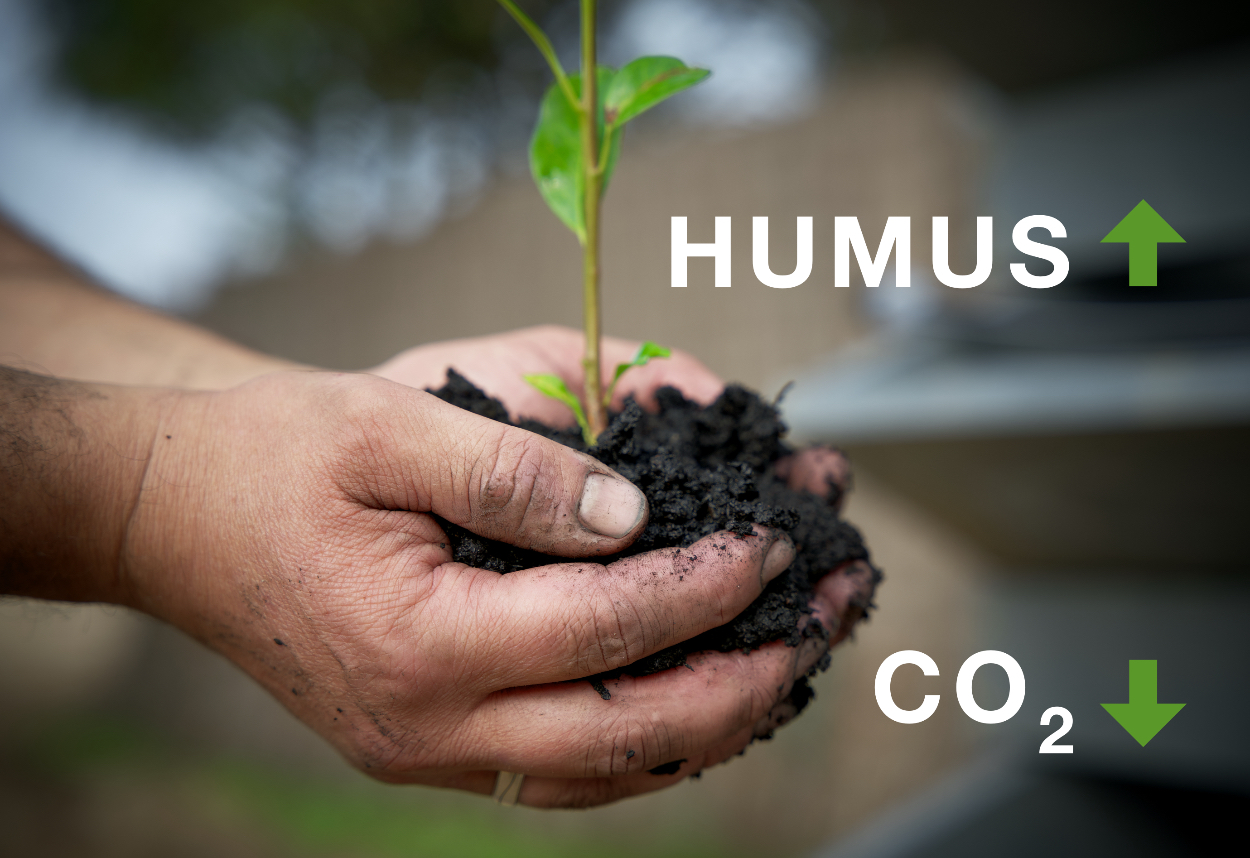
For farmers and agricultural businesses, carbon insetting offers a major opportunity to play an active part in climate protection while benefiting from the shift to more sustainable methods. Agriculture is not only an emitter of greenhouse gases (e.g. from livestock farming or fertiliser use); above all, it holds enormous potential as a carbon sink – for example by storing CO₂ in the soil (humus build-up) or in vegetation (agroforestry).
Regenerative agriculture is the key term here. Measures such as conservation tillage (minimum tillage), cover crops, permanent green cover, diverse crop rotations and organic fertilisation increase the humus content of the soil. Humus-rich soils can sequester considerable amounts of CO₂ per hectare every year and store it permanently, while soil fertility and water-holding capacity increase at the same time. Farmers who apply such methods not only reduce their own emissions (less synthetic fertiliser = less nitrous oxide; healthier soil = higher yields, possibly with lower energy input) but can also claim the additionally sequestered CO₂ as a climate protection service. Within insetting programmes in food supply chains, farmers are often financially rewarded for these services – for example through a premium for climate-friendly raw materials or through tradable certificates for stored CO₂ (carbon farming).
Farms therefore gain several benefits: they diversify their income (additional revenue from climate protection measures), improve the soil and environmental quality of their holding and strengthen long-term productivity. They also increase their chances of being selected as a preferred supplier by sustainability-minded food manufacturers. Insetting creates a win-win situation: the farmer becomes a “sink holder” who actively stores CO₂ on their land, and the emitter (e.g. a food company) can credit these savings to its climate account, while both sides make the agricultural value chain more sustainable.
In practice, this might look like this: a dairy farmer switches to climate-friendly management – growing fodder with cover crops, grazing to promote permanent grassland, planting hedgerows. As a result, they sequester a measurable amount of CO₂ in the soil and in biomass every year. Through an insetting programme, they receive financial payments per tonne of sequestered CO₂ from a dairy company or via platforms such as Klim. The dairy, in turn, can use this amount of sequestered CO₂ to improve its carbon footprint (Scope 3) and communicate credibly that the emissions from milk production are being reduced through concrete measures at its suppliers.
Humus build-up initiatives in Germany are a good example: some programmes (such as regional humus certificates in individual federal states) allow farmers to receive certificates for proven additional humus and carbon in the soil, which are then bought by companies – preferably from the region. Additionality and verifiability are essential here: only climate benefits that go beyond normal farming practice and are documented through soil tests/measurements qualify as insetting credits. That is why many farmers work with scientific support and standardised methods to quantify CO₂ sequestration precisely.
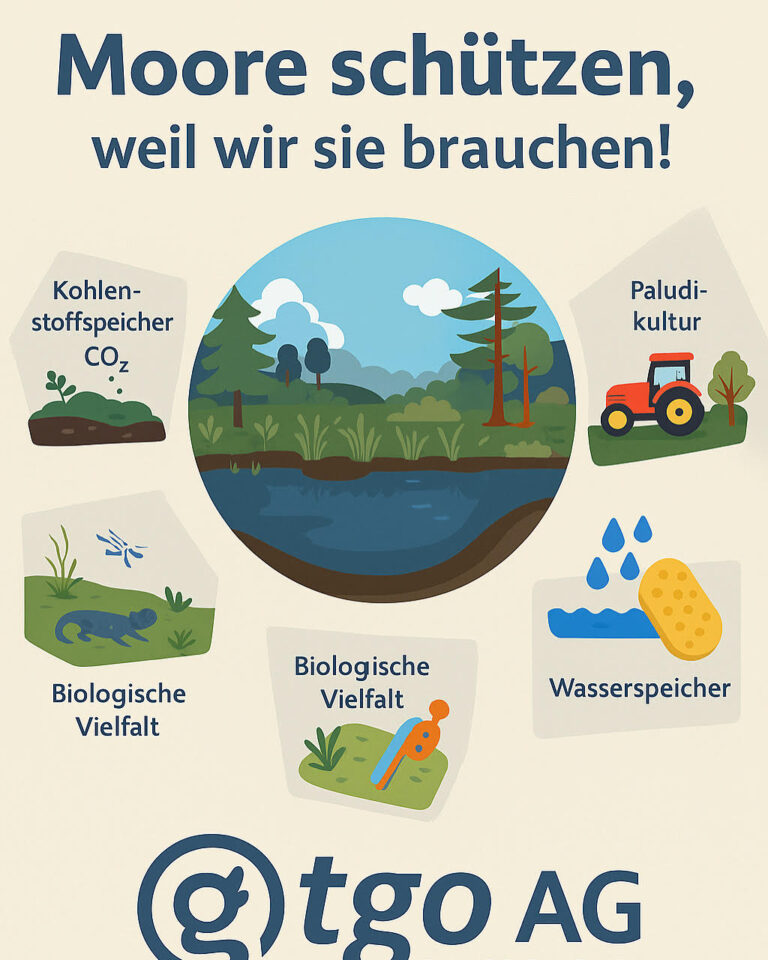
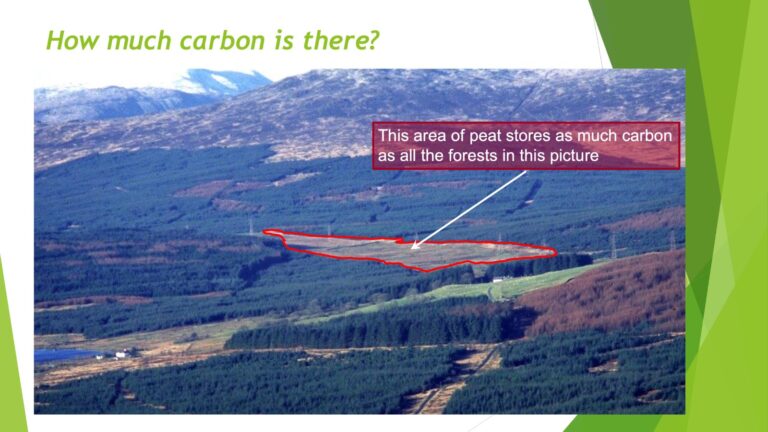
Besides soil humus, agroforestry systems (trees and shrubs on agricultural land), peatland restoration on agriculturally used fen soils and afforestation on farmland also offer potential for insetting. In this way, farmers can become active climate protectors. Through partnerships – for example via programmes co-designed or managed by tgo AG – such projects can be financed and rolled out more widely. The result is a network of emitters and sink holders that benefits both sides: climate protection in the region, reputational gains and new sources of income for agriculture.
Relevance for food companies (Scope 3 reduction in the supply chain)
For food companies – from the regional dairy to the international corporation – carbon insetting is a key lever for reducing their often substantial Scope 3 emissions along the supply chain. In the food sector, most emissions typically arise during the cultivation and production of agricultural raw materials (milk, meat, grain, cocoa etc.), i.e. upstream in the supply chain. This is where more and more companies are focusing their efforts to achieve their climate targets.
Instead of relying exclusively on external compensation projects, leading food manufacturers are moving towards implementing climate protection projects together with their suppliers – classic insetting. Nestlé, for example, has announced that it will source a large share of its raw materials from regenerative agriculture by 2030 and is investing billions in programmes with farmers. Specifically, Nestlé supports its contract farmers in switching to soil-friendly cultivation methods, agroforestry (e.g. shade trees in coffee and cocoa plantations) and emission reductions in livestock farming. In this way, Nestlé aims both to reduce supply chain emissions (Scope 3) and to increase supply chain resilience – after all, healthy soils and sustainable farms also secure the supply of raw materials for the future. One example is the Nescafé Plan 2030 programme, under which Nestlé is investing over CHF 1 billion in support for coffee farmers to introduce regenerative practices and thus improve the carbon footprint of coffee. Initiatives like this are regarded as flagship projects for insetting on a large scale.
Besides large corporations, smaller food producers can also practise insetting. Take a regional dairy that agrees with its dairy farmers on changes to feeding (less imported soya, more home-grown clover-grass), slurry digestion (biogas) and grazing – all of which reduces emissions per litre of milk. The dairy can account for these improvements and offer its customers demonstrably more climate-friendly milk. Another example: a grain processor (mill or bakery) supports its grain suppliers in introducing low-carbon farming methods and preferentially buys from farms that achieve a defined CO₂ saving per hectare. This lowers the product-related emissions of the flour/bread, which is increasingly becoming an important criterion for consumers and retailers alike.
Why does insetting take priority here? First, new regulations (more on this in the next section) increasingly require companies to have transparent climate strategies and to reduce Scope 3 emissions. Buying offsets is often no longer enough to be regarded as genuinely sustainable. Second, insetting offers tangible business benefits: more efficient and more sustainable supply chains often also mean lower resource consumption, fewer dependencies and a better image among consumers. Projects such as Klim – a start-up that brings farmers and companies together for carbon farming – show that companies in the food sector are prepared to invest in partnership programmes with agriculture rather than simply acquiring anonymous certificates. The result is often lasting emission reductions that accrue year after year, rather than one-off compensation purchases.
One real success story is Nestlé (again), which is working with farmers and service providers in Germany on pilot projects for humus build-up (e.g. via partner platforms). Likewise, the Swedish company Oatly (oat milk) has launched a programme with its contract farmers to reduce the carbon footprint of oat cultivation instead of merely buying offsets. These examples make it clear: supply chain initiatives to reduce emissions are becoming the new standard for companies that are serious about becoming climate-neutral. Insetting is the key to making Scope 3 reductions tangible and beneficial for everyone involved.
Relevance for local authorities: climate protection through local insetting approaches
Not only companies but also cities and municipalities (local authorities) are looking for ways to improve their carbon footprint. Many local authorities have ambitious targets (climate neutrality by 2035 or 2040 etc.) and have to reduce emissions from administration, transport, energy and waste to meet them. But what should be done about the residual emissions that cannot be avoided straight away? This is where – just as in the corporate world – the principle of insetting vs. offsetting comes into play.
Until now, municipal offsetting has often meant that cities bought compensation certificates for their unavoidable emissions (e.g. from gas consumption in municipal buildings or from the municipal vehicle fleet), for example for afforestation projects in developing countries. However, this practice is increasingly viewed critically, as it generates little regional value and there is sometimes uncertainty as to whether the compensation effect actually materialises (keyword: greenwashing).
More and more local authorities are therefore considering implementing climate protection projects within their own sphere of influence in order to sequester emissions locally – a kind of municipal insetting. Concrete starting points include:
- Local energy measures: investment in renewable energy (solar parks, wind turbines) on municipal land, energy-efficient refurbishment of municipal buildings, conversion of street lighting to LED etc. – all of which directly reduce the local authority’s Scope 1/2 emissions. For remaining emissions, the local authority can invest in regional projects that absorb CO₂ instead of buying international certificates.
- Regional afforestation and peatland protection projects: a municipality can, for example, work with the local forestry operation to afforest municipal woodland or restore peatlands in the surrounding area. The sequestered CO₂ is then credited to the municipal carbon account. This keeps the compensation money in the region while also creating recreational areas and nature conservation value.
- Partnerships with local farmers: this brings us full circle to the agricultural insetting described above. A local authority could encourage farmers within the city boundaries or in the surrounding area to take part in humus build-up programmes or practise agroforestry, financed through municipal climate protection funds. The city “insets” its emissions in its own neighbourhood – for example by paying farmers a bonus for every tonne of CO₂ they demonstrably store in the soil. This creates urban–rural cooperation: the local authority achieves its climate targets credibly, while local agriculture is supported.
- Circular economy and waste: measures that reduce emissions from waste (composting, biochar from green waste etc.) can lower emissions and sequester carbon. Local authorities can initiate innovative projects here and count the climate benefit towards their own targets.
A practical example: the city of Heidelberg has announced that it will preferably use regional reforestation to address its residual emissions rather than buying global offsets. Other local authorities are piloting climate accounts with local farmers. In the Allgäu region, for instance, municipalities and farmers are being brought together to trade humus certificates locally – with support from scientists and advisers. Such models are still in their infancy, but they point the way to the future: local authorities as pioneers of local insetting, with citizens, farmers and municipal enterprises working together.
For local authorities, working with experienced partners is often a good idea. tgo AG, for example, advises local authorities on developing regional climate protection projects and building partnerships (e.g. urban–rural cooperation for carbon farming). This enables municipalities to ensure that their insetting approaches are scientifically sound, measurable and effective – while also enjoying public acceptance locally.
Current regulatory developments in carbon management
The climate protection and reporting landscape is changing. New frameworks affecting insetting and offsetting are emerging at both EU and national level, and they are relevant to companies and local authorities alike. Here is an overview of the most important developments (as of 2025):
- EU Carbon Removal Regulation: The European Union is working on a regulation for the certification of carbon removals. Until now, there have mainly been voluntary standards for carbon removal (such as Verra or Gold Standard for afforestation, humus etc.). The EU now wants to create a binding framework to clearly define high-quality carbon removals and make them certifiable. Under this regulation – often referred to as the EU carbon removal certification framework – criteria are to be laid down so that a carbon removal (e.g. 1 tonne of CO₂ stored in soil or biomass) is recognised throughout the EU and, where applicable, becomes tradable. This is relevant for insetting: if a company practises humus build-up in its supply chain, for example, it could receive official CO₂ certificates for it under this regulation, which it can either trade on the carbon market or count against its own emissions (with a high degree of credibility). The European Commission presented a corresponding proposal at the end of 2022, and negotiations took place in 2023/24 – entry into force is expected around 2025/26. This set of rules is intended to create transparency and trust, but it will also impose requirements for monitoring, reporting and verification (MRV) so that only carbon removals that have actually been achieved and are additional are certified. Companies and farmers planning insetting projects should keep an eye on this development, as future funding or recognition (e.g. under CAP agricultural funding or national programmes) could be linked to it.
- CSRD (Corporate Sustainability Reporting Directive): From 2024/25, large companies in the EU are required under the new CSRD to report in detail on their sustainability performance – including climate strategy and emissions. Particularly important in this context are the ESRS (European Sustainability Reporting Standards), especially ESRS E1 (climate change). These require companies to disclose Scope 1, 2 and 3 emissions and to explain how they are reducing emissions. Offsets may be mentioned, but companies must disclose their actual emissions before compensation. This means you cannot make yourself look “green” on paper simply by buying certificates; you have to show what real reductions have been achieved. Insetting becomes a trump card here: companies can report that they have implemented concrete projects in their supply chain (e.g. “We trained 1,000 farmers in regenerative methods, resulting in x tonnes less CO₂ being emitted”) instead of just “we bought x tonnes of carbon credits”. The CSRD therefore indirectly promotes the transition from offsetting to more insetting, because it creates transparency. In addition, stricter assurance requirements for sustainability reports apply from 2025 – independent auditors will verify the information. This increases the pressure for climate neutrality pledges to be substantive.
- Carbon pricing and regulation: The economic incentives are also changing. The EU Emissions Trading System (EU ETS) is being gradually extended to further sectors, and the prices of emission allowances are rising. Since 2021, Germany has had a national CO₂ price on heating and transport fuels, which is being raised in stages until 2025. Higher CO₂ prices mean that emissions become more expensive and reductions more worthwhile. Companies therefore have a financial reason to avoid emissions internally wherever possible – and, where they are unavoidable, to compensate for them with reliable removals. In the longer term, carbon credit trading could also become interesting for farmers: for example, if agricultural emissions (e.g. from fertilisation) are given a price or if humus build-up is remunerated as a negative emission. Also under regulatory discussion is the EU’s Carbon Border Adjustment Mechanism (CBAM), which aims to apply CO₂ costs to imports – this initially concerns steel, cement etc., but could in the long term also cover agricultural commodities. Food companies will therefore have to work harder to achieve low emissions in their supply chains so as not to fall behind on price. Here, insetting offers a proactive opportunity to prevent future costs.
- EU agricultural policy and “carbon farming”: Carbon storage is also becoming an increasingly important topic in the EU’s Common Agricultural Policy (CAP). Pilot programmes for carbon farming are getting under way, and the member states are examining how farmers can be rewarded for climate services. Germany and other countries, for instance, are discussing payments for humus build-up as part of agricultural funding. These policy initiatives support insetting activities by providing additional funding or setting standards (e.g. a national emissions inventory that takes such sink services into account). For farmers and local authorities, it can therefore pay off twice to implement insetting projects early – you gain experience and may be able to benefit from funding or programmes that are coming soon.
Regulatory conclusion: The trends clearly point in one direction: climate protection should be measurable, traceable and ambitious. Companies and local authorities are being encouraged first to avoid and reduce, then to compensate for emissions internally (insetting) as far as possible, before turning to external compensation. At the same time, standards are intended to improve the quality of unavoidable offsets. Those who engage with insetting early on are not only on the safe side ecologically but also future-proof from a regulatory perspective.
Examples of successful insetting and offsetting projects
Practical examples show how carbon insetting and offsetting are implemented in the real world. Below are three examples from different sectors – from a shipping company and a food corporation to a start-up – that can be regarded as success models:
Example 1: Stena Line – climate initiatives in shipping
Stena Line, one of the world’s largest ferry operators, has set itself ambitious climate targets. The Swedish company aims to be climate-neutral by 2050. Alongside technical innovations (e.g. battery ferries, efficiency improvements), Stena Line also relies on compensation and insetting. It has become known, for example, that Stena Line switched to shore power in ports at an early stage to avoid emissions while ships are berthed – an example of emission reduction (Scope 2) within its own operations. For remaining emissions, Stena Line is involved in climate projects along its routes.
One concrete project is the partnership with landowners in Scotland and Scandinavia, where Stena Line finances afforestation. These forests serve as regional carbon sinks that compensate for part of the ferry emissions. Because these projects are located in the geographical vicinity of the ferry routes, they can be regarded as a form of insetting – the company invests in the regions where it operates and creates biodiversity and community benefits there. According to Stena Line, the company has already sequestered thousands of tonnes of CO₂ through such initiatives while sending a positive signal to passengers: in the long term, the ferries are to be operated climate-neutrally through reduction, alternative fuels and local compensation. This example shows that even a transport service provider can find creative ways to link regional climate protection projects with its own value creation.
Stena Line is also working with fuel suppliers on developing bio-methanol from waste as a marine fuel. This could be described as supply chain insetting: the company is promoting the development of a climate-friendly fuel within its own fuel supply chain, which would significantly reduce future emissions. Overall, Stena Line is regarded as a pioneer in the shipping industry because it combined both technical reduction and compensation at an early stage – and the latter, wherever possible, in the places where it operates, in order to create a double benefit.
Example 2: Nestlé – supply chain insetting in food production
As a global food manufacturer, Nestlé faces the challenge of huge indirect emissions from its basket of ingredients (coffee, cocoa, milk, grain etc.). The company has adopted a comprehensive climate strategy that relies heavily on insetting with farmers. Nestlé works with more than 500,000 farmers worldwide – an enormous potential lever.
One highlight is the programme for regenerative agriculture, in which Nestlé is investing over CHF 1.2 billion by 2030. Pilot projects have been launched, for example in France with grain farmers for Nestlé’s breakfast products: farmers receive training and financial support for humus build-up, agroforestry and low-emission fertilisation. In return, Nestlé commits to purchasing their produce and covering any additional costs. In this way, CO₂ is reduced together – a classic insetting solution, as the emission reduction takes place within the supply chain.
Another example is “Nescafé Plan 2030”: Nestlé helps coffee farmers in Latin America and Africa switch to climate-resilient cultivation methods, including shade trees (which sequester CO₂) and adapted fertilisation. This is intended to significantly reduce coffee emissions and lower the CO₂ per cup of coffee. Nestlé can report these savings as progress in Scope 3. There are also social benefits – in the long term the farmers achieve better yields and incomes, which increases Nestlé’s security of supply. This project is regarded as best practice because it brings together climate protection, land use and livelihood security.
Nestlé naturally also practises conventional offsetting for its remaining emissions (e.g. investment in forest protection projects via certificates). But the company has communicated openly that offsetting should only be the last step. The priority is “Avoid – Reduce – Inset – Offset”. Nestlé aims, for example, to cover 100 % of its operational emissions (Scope 1 & 2) by 2025 through renewable energy and efficiency, to cut supply chain emissions massively by 2030 and to neutralise only the emissions that are still unavoidable at that point by means of offsets. This approach reflects the general recognition that insetting is more fundamental to a sustainable climate strategy than mere offsetting.
Example 3: Klim – a platform for carbon farming and insetting
Klim (Klim GmbH) is a German start-up founded in 2020 to connect farmers and companies in the fight against climate change. Through a digital platform and app, Klim enables farmers to implement regenerative agriculture and record its effect on CO₂. The farmers receive guidance (e.g. which cover crops to sow, how to take soil samples etc.) and record their measures in the app. At the end of the year, Klim uses scientific models to calculate how much additional CO₂ has been stored in the soil or how many emissions have been avoided as a result.
What makes it special: companies can buy these CO₂ savings to improve their own carbon footprint. Klim thus acts as an intermediary for insetting projects. For example, a food retailer or manufacturer can support regional farmers in a targeted way via Klim. The farmers are paid for their climate services, and the company can use the acquired carbon credits to partly compensate for the emissions of its products or sites – preferably, of course, within its own supply chain. If there is no direct link, it would formally be offsetting, but Klim tries to build partnerships in which, for example, a dairy processor takes part in climate projects together with precisely the dairy farmers from whom it sources its milk – making it genuine insetting.
One example project is Klim’s collaboration with several dairies in northern Germany: here, dairy farmers were brought into the programme and a large retailer buys the certificates to make the dairy products more climate-friendly. Local authorities have also shown interest in involving nearby farmers in municipal climate protection via platforms such as Klim.
Klim shows that modern technology and data processing make it easier to monitor and broker insetting. The platform’s success (with hundreds of farmers and several companies already on board) highlights the growing interest in practical solutions for carbon insetting. A platform like this greatly simplifies what is often a laborious process – finding farmers, defining measures, calculating the CO₂ effect, verifying it and handling payment. Providers such as Klim, but also others (e.g. Carbonfuture for forestry projects, Nori in the USA for soil carbon etc.), are professionalising the market for insetting/carbon removal. This increases transparency and credibility, which ultimately benefits everyone involved.
Criticism and risks: what do you need to watch out for?
Despite all the opportunities offered by carbon offsetting and insetting, there are also criticisms and risks that you should be aware of in order to avoid mistakes:
- Accusations of greenwashing: A central risk is that compensation is used as a fig leaf. Companies might be tempted not to change anything fundamental about their emission-intensive activities and instead buy offsets generously in order to call themselves climate-neutral. This is strongly criticised by NGOs and the media. Studies have shown that a large proportion of some certificates have hardly any real effect – for example, an analysis in 2023 found that over 90 % of the rainforest offsets of the largest certifier, Verra, are largely worthlesstheguardian.com. Headlines like these increase the pressure on companies to proceed very carefully. Although insetting reduces the suspicion of greenwashing because you become active internally, the danger that insetting happens only on paper must also be averted here. Transparency is the key: companies should communicate clearly which projects they are carrying out, which emissions have been reduced or removed as a result and how this is measured.
- Additionality and double counting: A good contribution to climate protection must be additional, i.e. the emission reduction would not happen without the project. With offsetting, this is often checked (would the forest grow even without the payment? If so, it is not a genuine offset). With insetting, you also have to be careful: if a company supports a measure that the supplier would have carried out anyway for legal reasons, for example, the additional benefit is questionable. There must also be no double counting – that is, the CO₂ saving from a project must not be claimed by two parties at the same time. This is relevant in supply chains: if a farmer sells carbon credits to the company, they must not sell the same saving again elsewhere or count it towards their own neutrality targets. Clear contracts and, ideally, inclusion in a central registry (e.g., as mentioned by Proba, a blockchain registryproba.earth) can ensure that each tonne of CO₂ is counted only once.
- Permanence: Especially with natural carbon sinks (forests, humus, peatlands), the question of durability arises. A forest could burn down in 30 years or die off because of pests – what then happens to the offsets that have been credited? Similarly, carbon stored in the soil can be released again through poor management. Good programmes therefore work with risk buffers and long-term commitments: for example, a farmer undertakes to maintain the humus that has been built up for X years, or an afforestation project has insurance buffers. Nevertheless, a residual risk remains. Technical carbon storage (such as direct air capture + underground storage) is more permanent in this sense, but extremely expensive. Users of offsetting/insetting should keep the question of permanence in mind and, if necessary, over-compensate to offset the risks.
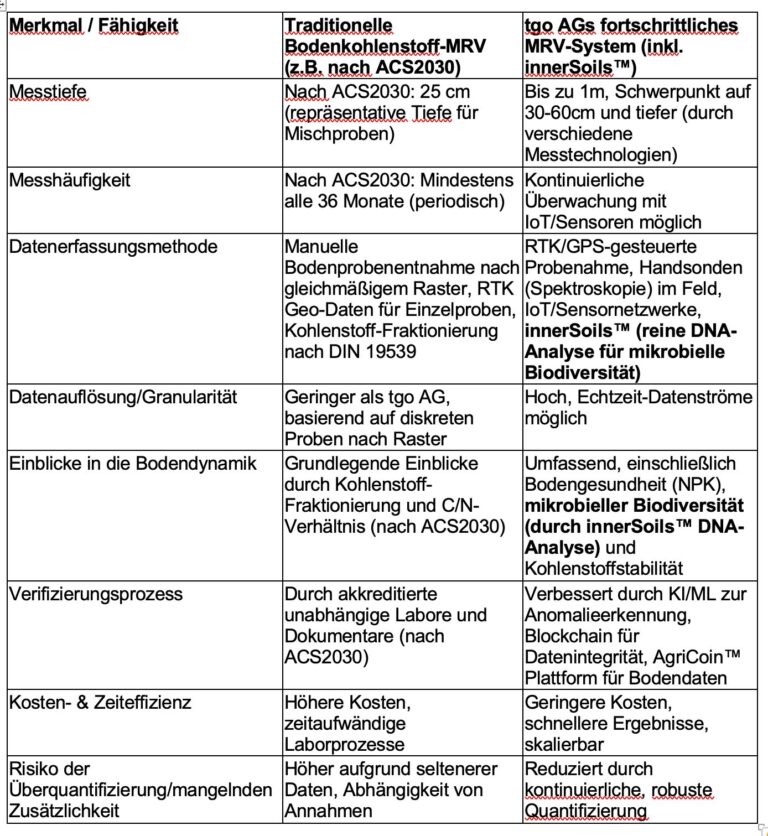
- Measurement and verification: A frequently cited criticism is that it is difficult to measure exactly how much CO₂ a project has saved. With industrial emissions (one tonne of CO₂ not emitted thanks to efficiency), this is still relatively clear. In land use, on the other hand, there are uncertainties (soil samples have inaccuracies, models make different assumptions). That is why it is important to rely on recognised methods and independent auditors. Reputable insetting projects use protocols that have been scientifically validated and have their results audited by third partiesproba.earth. For example, platforms such as Klim work with universities, and Proba uses TÜV auditing for its Impact Units. Companies should make sure that there is a traceable audit trail for every tonne of CO₂ that is supposedly “neutralised”.
- Costs and efficiency: For a long time, offsetting was relatively cheap – some certificates cost only €5–10 per tonne of CO₂. High-quality insetting can be more expensive, because you invest directly in projects (e.g. new machinery for farmers, advisory services, premiums). However, prices for reputable offsets are now rising too (for high-quality removals in 2025, as much as €50–100 per tonne). Insetting can pay off if it creates other value at the same time (better quality, local development, brand building). Nevertheless, companies need to consider the economics. One risk is that insetting projects do not deliver the planned CO₂ yield (e.g. less humus build-up than hoped) – in that case, money has been invested and offsets may still have to be bought. You can prevent this by starting pilot projects, starting small and learning from the results before making large-scale promises.
In summary: carbon offsetting and insetting must be carried out with integrity in order to be effective and retain credibility. In the past, critics have rightly pointed out weaknesses (lack of transparency, dubious projects). These risks can be addressed through new standards, technology and above all a focus on avoidance/reduction first. Companies, farmers and local authorities should build up internal expertise or external advice at an early stage to ensure the quality of their climate projects – for example by working with experienced partners such as tgo AG, who provide support with project development, monitoring and reporting.
Strategic context: Avoid – Reduce – Inset – Offset
A recurring theme has been the climate protection hierarchy: “Avoid – Reduce – Inset – Offset”. This sequence has become established as best practice to ensure that climate neutrality is not achieved only on paper. But what does it mean in concrete terms?
- Avoid: The top priority is to prevent emissions from arising in the first place. For companies, this means, for example, questioning climate-damaging activities – can business trips be replaced by video conferences? Can a product be designed so that fewer emissions arise during the use phase? For farmers: are there alternatives to certain emission sources (e.g. avoiding nitrogen surpluses, less waste through better planning)? Every tonne of CO₂ avoided does not need to be compensated for later. This step often saves costs too (lower energy consumption, fewer inputs).
- Reduce: Emissions that cannot be avoided should be actively reduced. This includes efficiency gains, new technologies and changes in behaviour. Examples: a food plant converts its processes to energy-efficient equipment, farmers optimise feeding and slurry management to cut methane, local authorities convert their buses to electric drive. Switching to renewable energy also falls under this heading – sourcing electricity from solar/wind reduces Scope 2 emissions drastically. Reduction often requires investment, but pays off in the medium to long term and is essential for bringing absolute emissions down.
- Insetting (compensation within the supply chain): For emissions that remain despite all avoidance and reduction measures, you should first look for solutions within your own sphere of influence – known as insetting. Why? Because insetting not only saves CO₂ but also makes your own system more sustainable at the same time. Every tonne sequestered within the supply chain strengthens relationships and learning processes with partners. Companies build up know-how on how to put net zero into practice. For example, a corporation could compensate for the remaining emissions from its product packaging through a programme with its materials supplier: the supplier plants trees near its plant or captures CO₂ from its chimney – financed by the corporation. This keeps the money “in the family” and generates innovation. In figures: if, after Avoid/Reduce, 100,000 t of CO₂ per year still remain, for example, the company should try to neutralise a large proportion of this through insetting projects over the next few years (such as humus build-up at suppliers, afforestation of its own properties etc.)proba.earth. Always with verifiable accounting, so that the impact is genuine.
- Offsetting (external compensation): Only at the very end does offsetting come into play – for the emissions that really cannot be eliminated or compensated for anywhere else. These are compensated for with certified projects outside your own value chain. The highest quality standards should be applied here: only projects with additional, verified and permanent CO₂ reductions should be selected. Fortunately, the supply of high-quality carbon removal offsets is growing (e.g. afforestation with long-term commitments, direct air capture etc.). Nevertheless, offsetting remains the last resort. No company and no local authority can buy its way out in the long term without first making its own efforts – and this is also what investors, regulators and the public expect.
Note: This sequence is not a “nice to have” but essential for genuine climate neutrality. Insetting plays a key role in it, because it addresses the core of your own value creation – “tackle the core of the problem”proba.earth, as experts put it. Insetting strengthens the business model and those involved, whereas offsetting without prior insetting merely treats the symptoms. The motto should therefore be: only once I have done everything within my sphere of influence do I turn to external means. This strategic framing ensures that climate strategies are robust and credible.
Conclusion: taking action together – with priority for insetting
Carbon insetting and offsetting offer effective instruments for implementing climate protection across sectors. Farmers, food companies and local authorities each play specific roles – from emission reducers to providers of carbon sinks. What matters is that everyone pulls together: avoid and reduce emissions and, where necessary, compensate for them – first within your own supply chain or region (insetting), and only what remains after that through external projects (offsetting). This results in holistic climate strategies that make sense both ecologically and economically.
For farmers, this means: seize the opportunities offered by regenerative agriculture and become part of insetting programmes. Your contribution to humus build-up or afforestation is not only good for the climate but also improves soil quality and can generate new income. Food companies should approach their suppliers proactively and enter into partnerships for sustainable cultivation methods, livestock farming and logistics – this strengthens supplier relationships and reduces Scope 3 emissions sustainably. Finally, local authorities can create a double benefit through local climate projects: climate protection plus regional value creation. When cities, businesses and farmers cooperate regionally, climate protection becomes tangible and visible to citizens.
In the end, credibility is what counts: transparent reporting, scientific grounding and external verification make the difference between a PR exercise and genuine climate protection. By relying on insetting, you demonstrate that climate protection is an integral part of your own value creation – a message that is central to reputation and brand trust today. Offsetting remains useful, but only as a supplement, not as an excuse.
How tgo AG supports your climate protection projects
tgo AG is at your side as a competent partner to turn these concepts into concrete action. With our expertise in sustainable supply chains, carbon farming and climate strategies, we support farmers, companies and local authorities in developing and implementing tailor-made insetting programmes:
- For farmers: We advise farms on the transition to regenerative methods and help them find suitable programmes that reward humus build-up and CO₂ sequestration. Become part of pilot projects and carbon farming networks to benefit from your climate performance. Find out more now: contact our agricultural team!
- For food companies & industry: Whether climate strategy, Scope 3 management or supplier programmes – tgo AG works with you to develop effective insetting strategies. From identifying the hotspots in your supply chain to implementing climate protection measures with your partners, we are at your side. Let our experts advise you on how to reduce and compensate for emissions within your value chain!proba.earth
- For local authorities: We help cities and municipalities initiate regional climate projects – whether through afforestation, peatland protection or cooperation with local farmers. Make use of our experience to bring citizens, farmers and local businesses on board and achieve climate targets together. Shape your municipal climate protection programme with us – practical and effective!
With the right mix of insetting and (where necessary) offsetting, you can actively contribute to achieving the climate targets. tgo AG helps you turn visions into action – fact-based, professional and precisely tailored to your needs. Contact us today to take your climate protection journey to the next level. Together, we will make climate protection an integral part of your value creation! Act now – for a sustainable future.