
Create genuine CO2 stores with regenerative agriculture. Your fields, your land, your contribution to climate protection. Make use of your potential and get paid for your commitment.
Carbon farming on mineral soils and grassland
WHAT IS CARBON FARMING ON MINERAL SOILS AND GRASSLAND


Carbon farming on mineral sites uses proven agroecological and innovative measures to:
- store CO₂ permanently in the soil
- increase soil fertility
- promote biodiversity
- and make the farm future-proof.
Core measures at a glance (practical and effective):
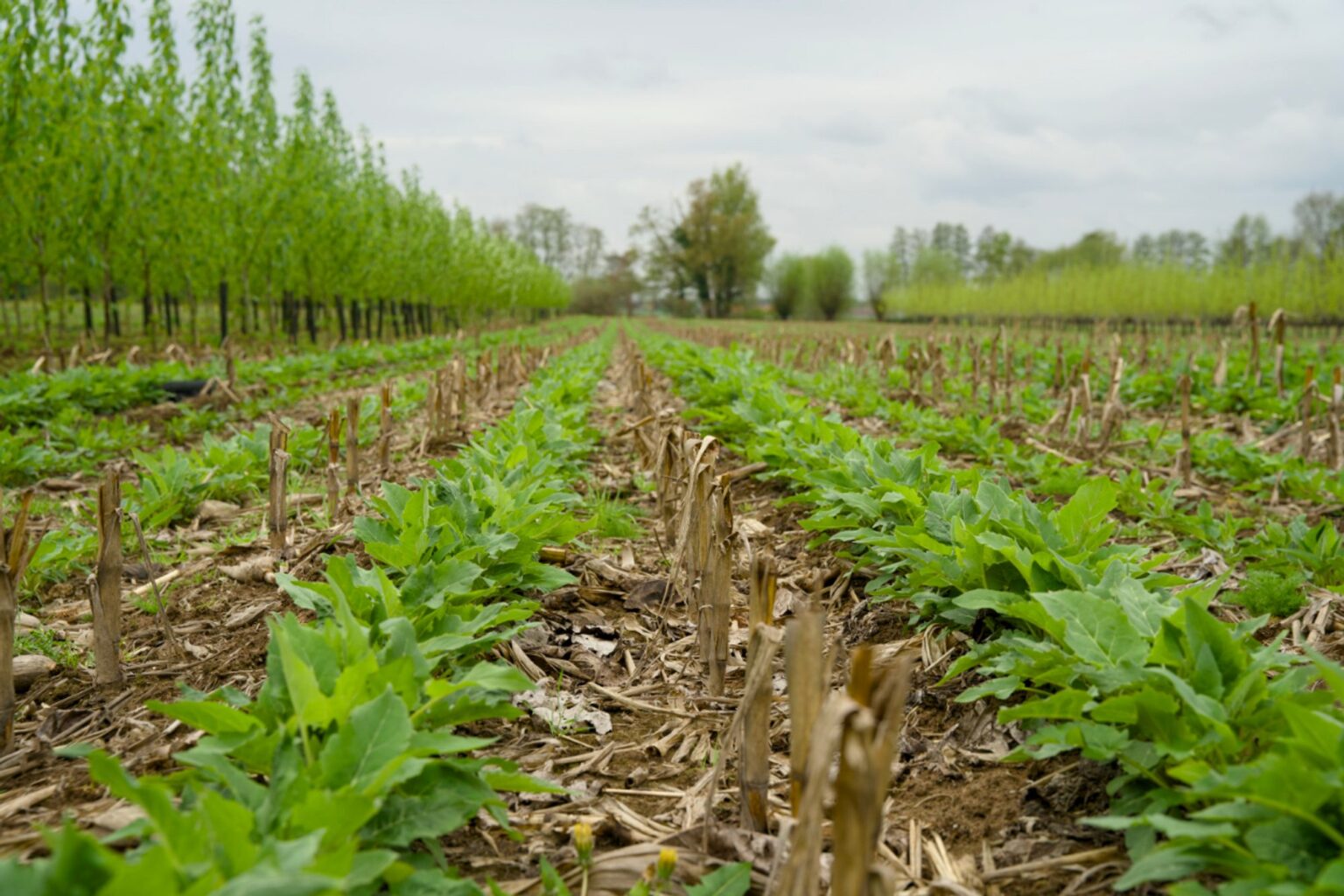
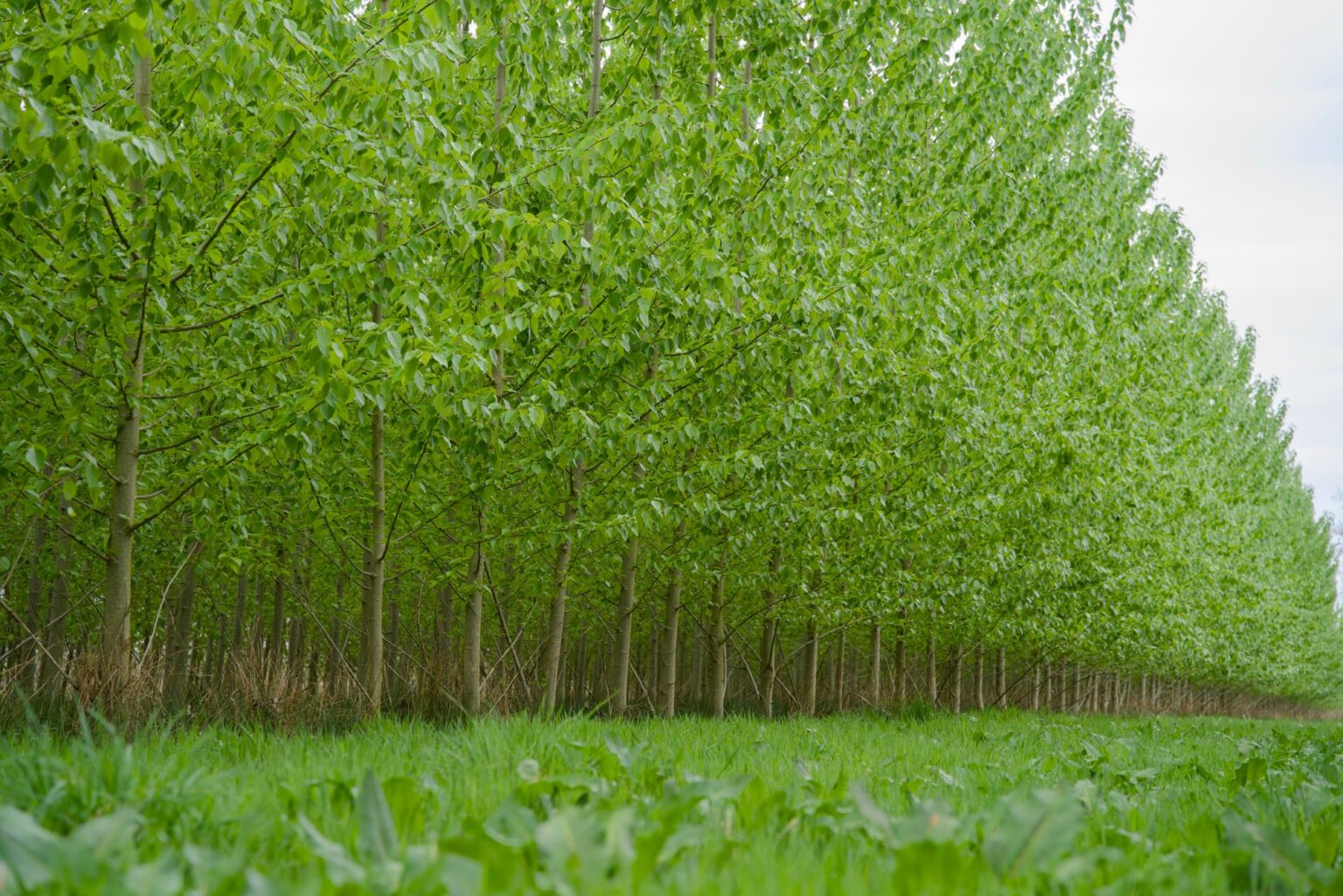
1. Agroforestry systems
- Trees & shrubs integrated into arable land
- CO₂ storage above & below ground
- Improved microclimate, biodiversity boost
Storage capacity agroforestry: 2–8 t CO₂/ha
2. Mob grazing and holistic grazing
- Rotational grazing with high stocking density
- Build-up of root mass & humus
- Improved water balance & forage quality
Storage capacity mob grazing: 0.5–3 t CO₂/ha
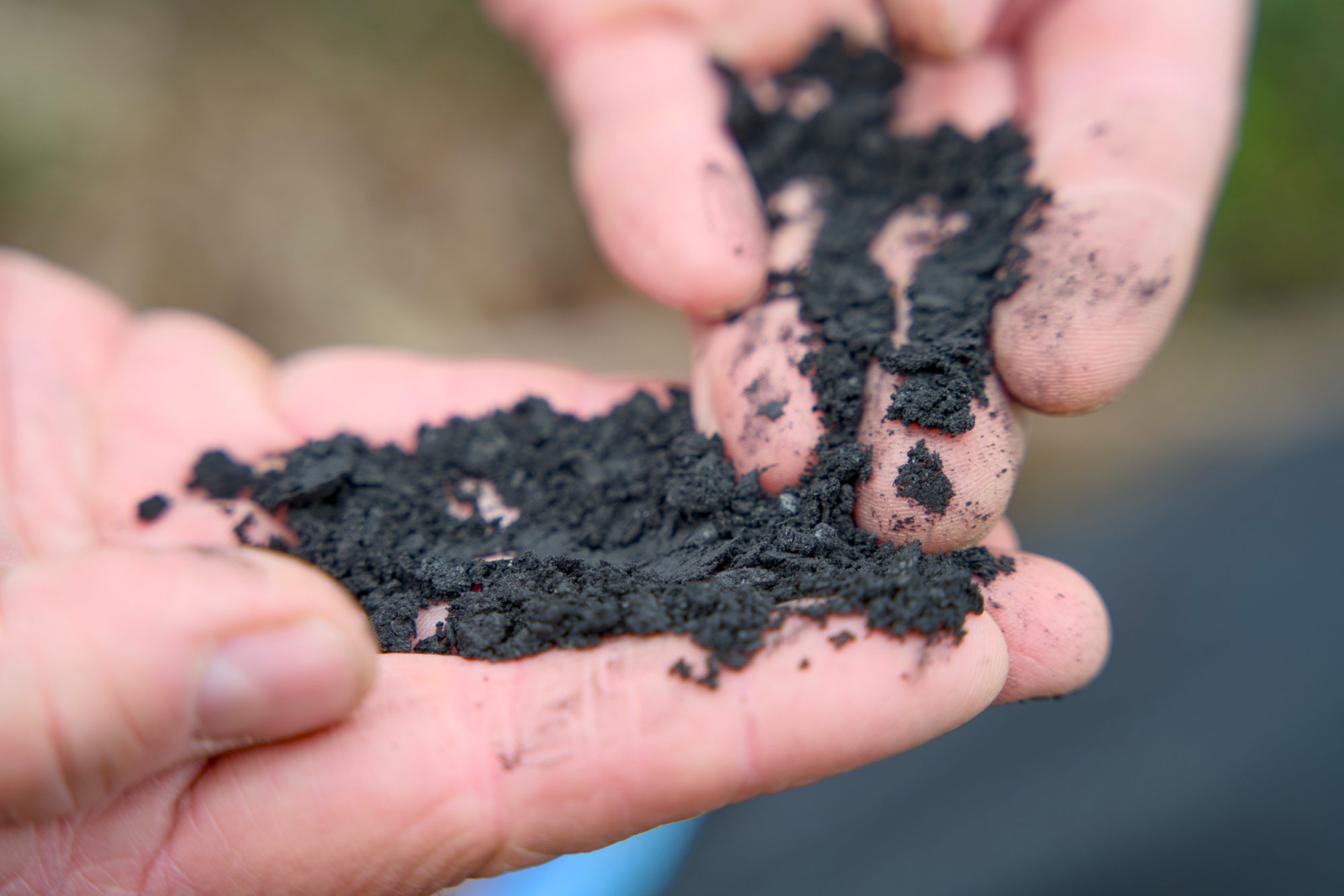
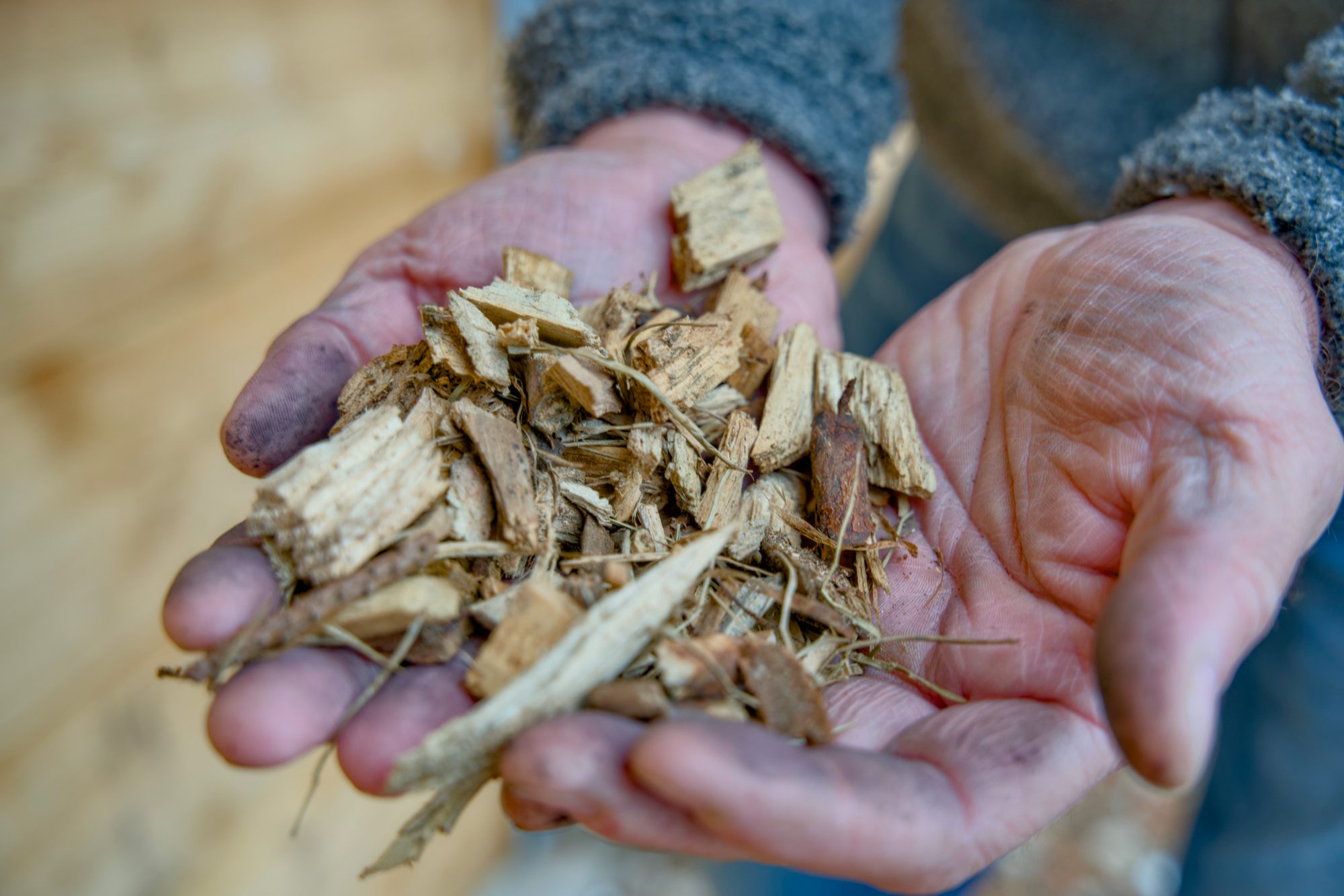
3. Biochar
- Carbon is stored stably in the soil
- Improved cation exchange and water-holding capacity
- Carbon credits through tgo Carbon (permanent sink capacity)
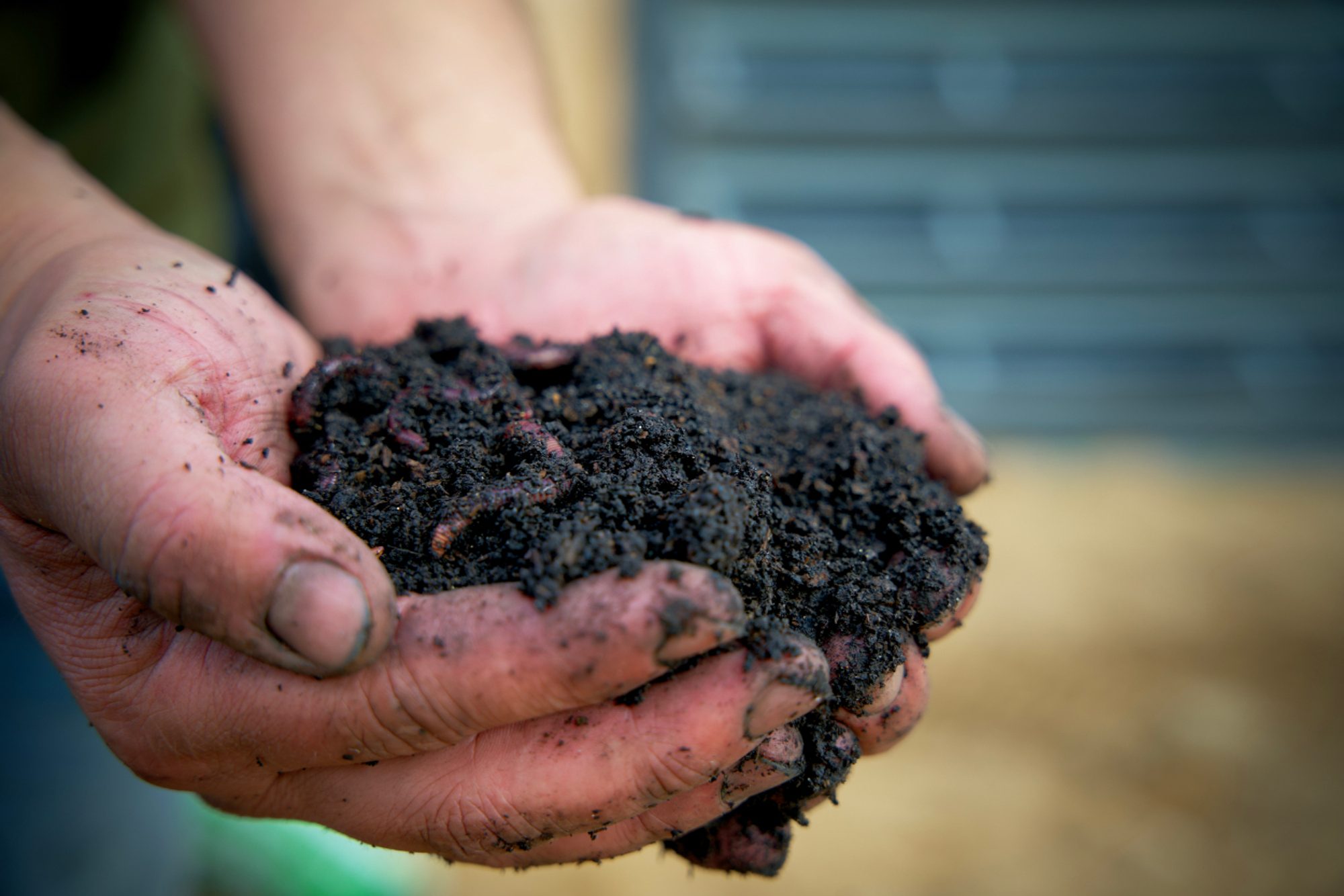
4. Fermented soil and MikroBioTurbation
- Activation of soil biology by microorganisms
- Conversion of organic matter into stable forms of humus
- Increased resilience to drought & erosion
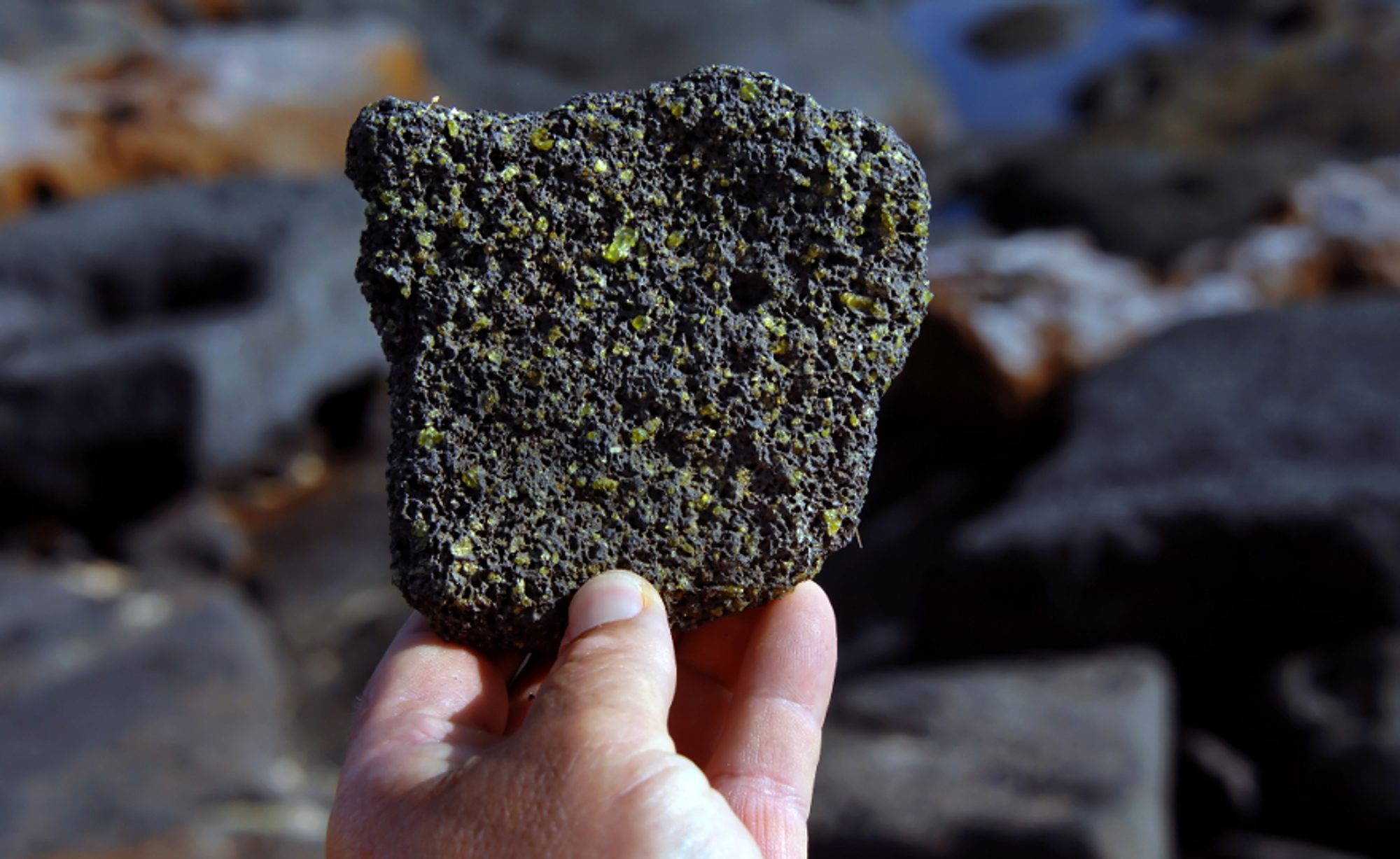
5. Enhanced Rock Weathering
- Finely ground silicate rock for CO₂ sequestration
- pH stabilisation, silicon supply & mineralisation
- Scientifically documented carbon effect (model values mostly 0.5–2 t CO₂/ha per year; field measurement still uncertain)
6. Composting and cover crops
- Soil cover, erosion control, nitrogen fixation
- CO₂ storage through biomass & microbial processes
Facts and figures – your soil as a climate engine
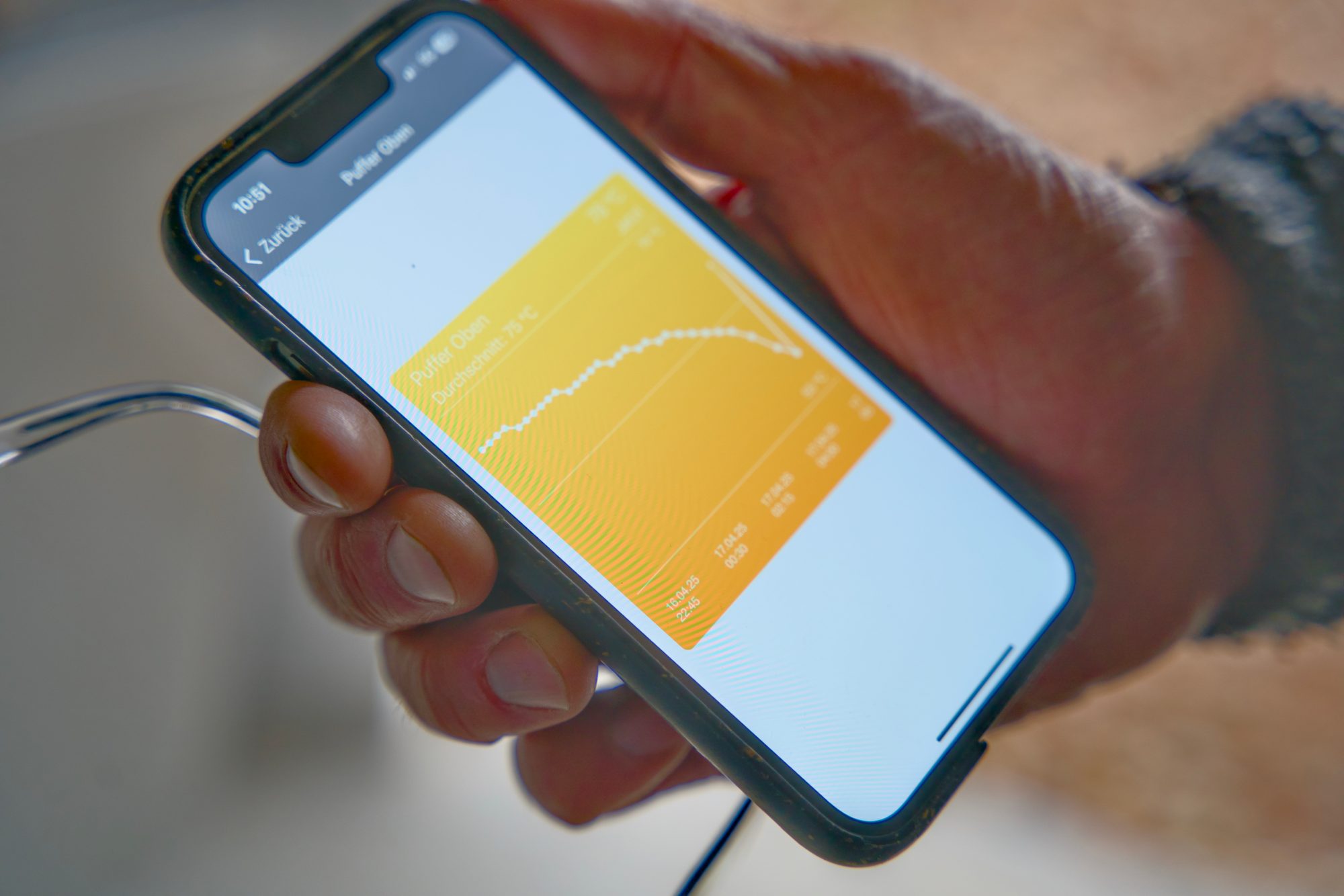
Data are based on scientific studies, LCA surveys and pilot farms.
Measure and average CO₂ storage capacity per ha & year
- Agroforestry: 2–8 t CO₂/ha
- Biochar application: around 2 t CO₂ per t of biochar applied (permanent)
- Mob grazing: 0.5–3 t CO₂/ha
- Enhanced Rock Weathering: 0.5–2 t CO₂/ha
- Humus build-up through cover crops: 1–2 t CO₂/ha
HOW IT WORKS WITH US
YOUR STEPS INTO CARBON FARMING
- Request a free soil analysis
- Develop an individual combination of measures
- Generate carbon credits (MRV-compliant & TÜV-certified)
- Record your biodiversity value and get paid for it
- Receive training & network access via tgo AG
Benefits for your farm
✅ Additional income from genuine carbon credits
✅ Improved soil structure, yield and resilience
✅ Meeting ESG criteria in supply chains
✅ Future-proofing against the EU taxonomy & climate reporting obligations
✅ Visibility & partnership with flagship companies
WHAT OTHER FARMERS SAY
Gerko Thomsen
DAIRY FARMER FROM LOWER SAXONY
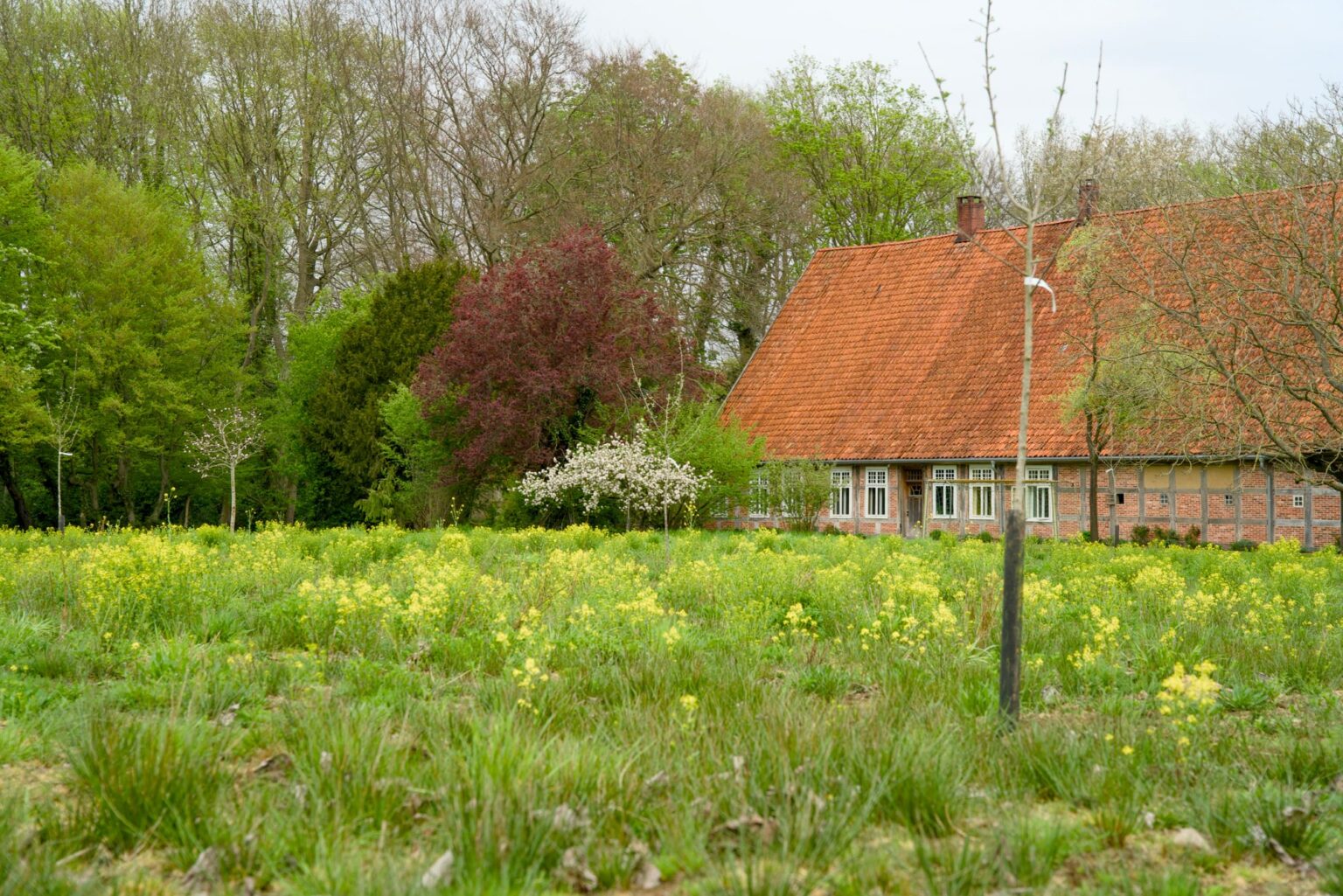
“I never thought my grassland would earn me carbon credits. With tgo AG I have not only built up my humus – I have opened up a second source of income.”

Measure humus, build it up and sell it as genuine CO₂ tonnes – up to 65% of the revenue goes to the farm. Only re-measured gains are paid.
Register your fields with AGRICOIN →Related topics